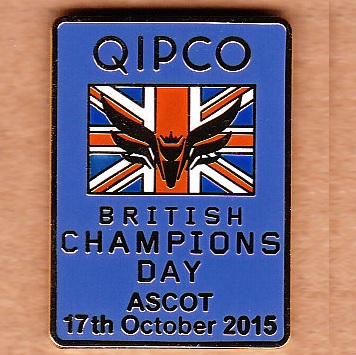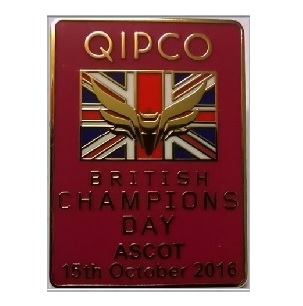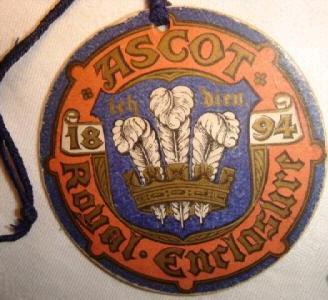
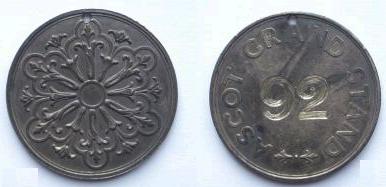
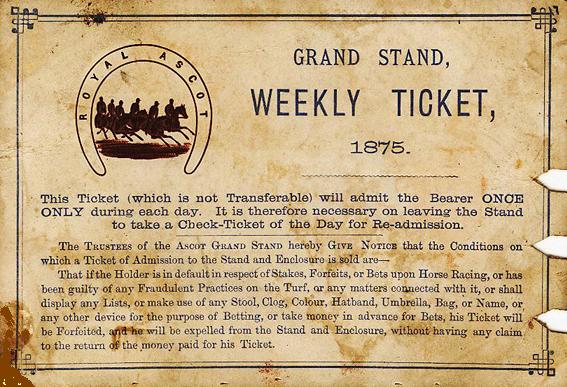
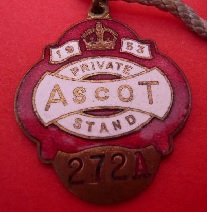
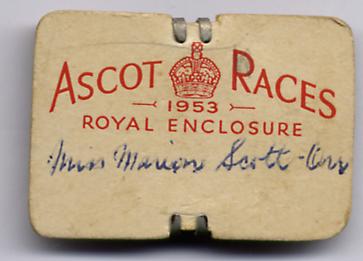
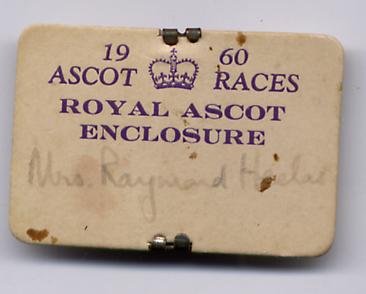
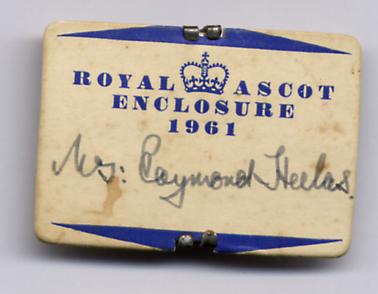
It was Queen Anne who first saw the potential for racing at Ascot, which in those days was known as East Cote, while she was out riding from Windsor Castle. The inaugural race meeting took place on Saturday 11th August 1711, opening with Her Majesty’s 100 Guineas Plate. As a mark of respect, when Queen Anne died on Sunday 1st August 1714 the meeting was postponed and racing abandoned for the year. It was to be a further 76 years before a ‘Royal Enclosure’ was established in 1790, albeit a temporary stand which was erected during the Royal Meeting, with entrance to the exclusive stand restricted to those invited by King George III. The next year a royal win was celebrated when the Prince of Wales won the Oatlands Stakes with Baronet. The Ascot Gold Cup (all results shown below), over 2 ½ miles, was first run in 1807 when won by Master Jackey, and the first Royal procession, starting from Windsor Castle, was in 1825. On the 16th January 1839 the foundation stone of the new Grand Stand at Ascot was laid, this being between the Royal Stand and the Betting Stand. The new Grandstand would have the capacity to hold some 3,000 spectators and would cost almost £10,000 to build. To raise such funds shares were offered and those subscribing £100 were given a silver pass, this would enable the subscriber to enjoy free entry to the stand for 61 years. However, this privilege was revoked in 1870. It is believed that only 100 of these silver passes were crafted by Garrards, one of which is shown below.
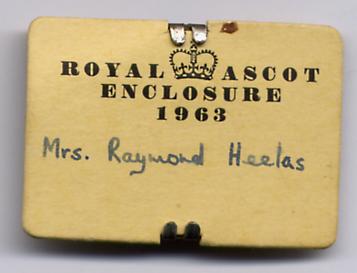
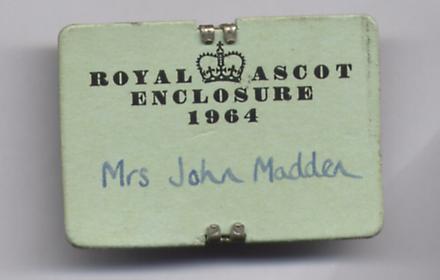
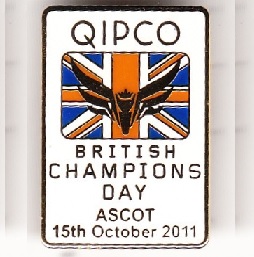
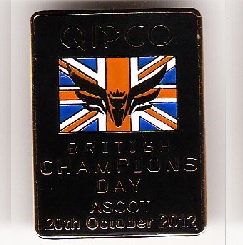
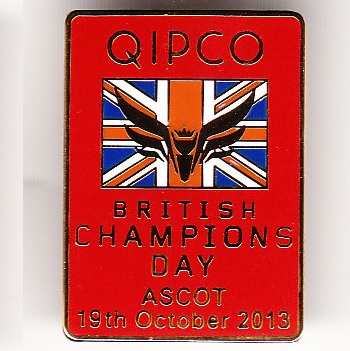
Ascot Authority, which still manages the racecourse today, came into being in 1913, created by an Act of Parliament. Prior to 1945 the only racing to take place at Ascot was the Royal meeting, but the range of meetings was extended in 1945, although nowhere near the extensive programme which is offered today. It was to be a further 19 years before work on the Royal Enclosure began, finally opening in 1964. An historic event took place in 2005 when work on an incredible grandstand meant that the Royal Ascot meeting could not take place at Ascot and was transferred to ‘the Ascot of the north’ York. Ascot remains one of the country’s most prestigious racecourses offering twenty one days of racing in addition to the five days of Royal Ascot. Further highlights include Shergar Cup day and QIPCO Champions Day.
Monday 24th June 1754
Ascot Heath £50 Hunters Purse
1. Why-Not, grey horse owned by Mr Jenison
2. Staghunter, bay horse owned by Mr Wither
Betting 2/1 On Why-Not, 7/4 Staghunter
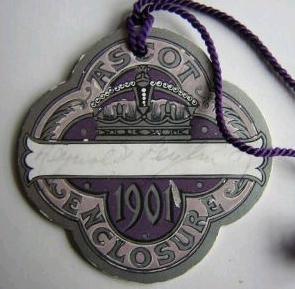
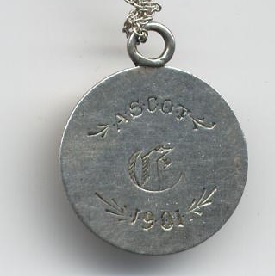
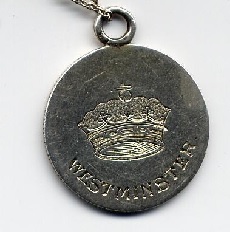
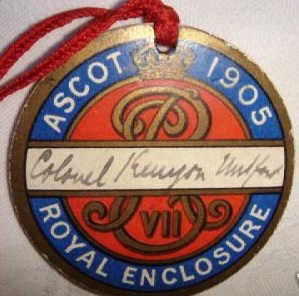
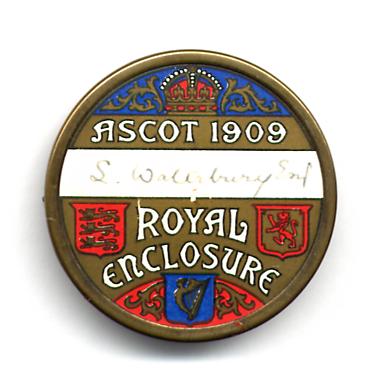
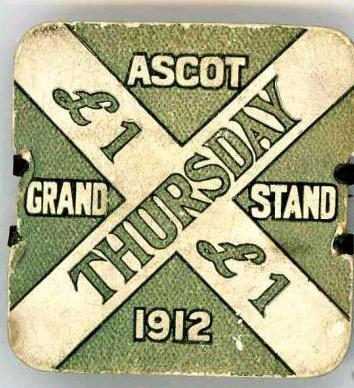
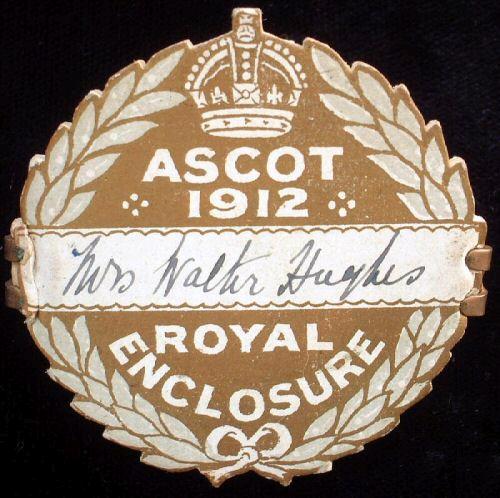
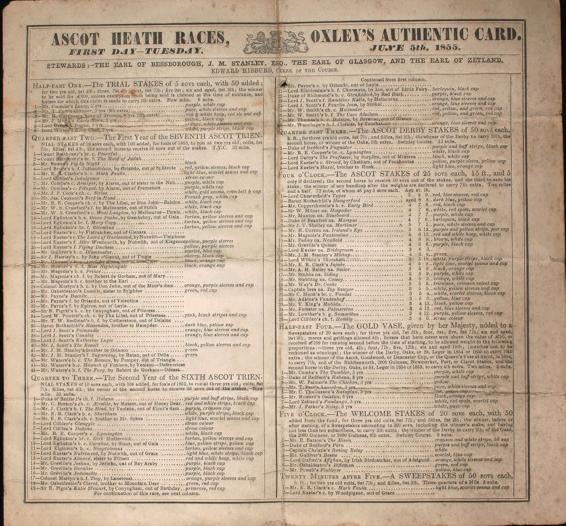
The Berkshire town of Reading was important in the medieval period as the site of Reading Abbey, a monastery with Royal links. Much later the Great Western Railway brought growth and prosperity to the town. Although it is known that racing took place as early as 1705 on ‘Early and Bullmarsh Heath’, the first time the town had its racing results listed in the ‘Historical List of Horse-Matches Run in 1751’ was when the calendar recorded a meeting taking place in Reading, at Bullmarsh Heath on a 3 mile course in August. The result from that meeting is shown below. Meetings continued to be staged until 1814, after which racing lapsed because the Heath was enclosed. The vicinity of the course then changed to King’s Meadow when racing was reintroduced in 1843 and lasted until 1860. It was to be six years before a steeplechase meeting was staged on Mr Young’s Whitley Park farm in 1866, although the fences were described as ‘severe’ and within two years, after Cripple and Farnborough had fallen with fatal consequences, the course closed. The final meeting took place on Thursday 14th January 1875, although racing began just 3 miles away in Maiden Erlegh on 18th May 1886 and lasted for twenty years.
Tuesday 6th August 1751
Reading £50 Purse
1. Highlander, bay gelding owned by the Right Honourable Lord Onslow 3 1 1
2. Endymion, chestnut horse owned by Anthony Langley Swymmer 1 3 3
3. Margery Daw, chestnut mare owned by James Lenox Dutton 2 2 2
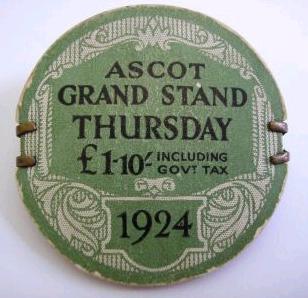
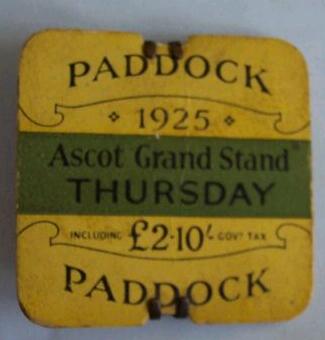
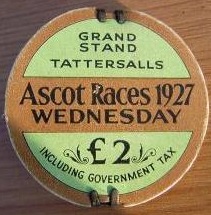
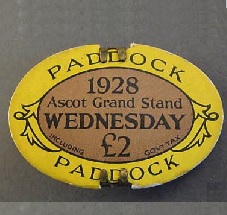
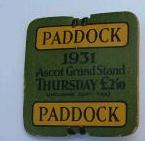
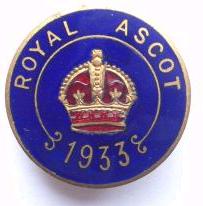
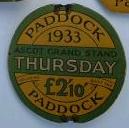
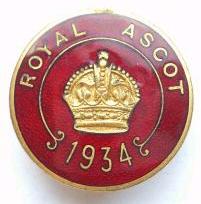
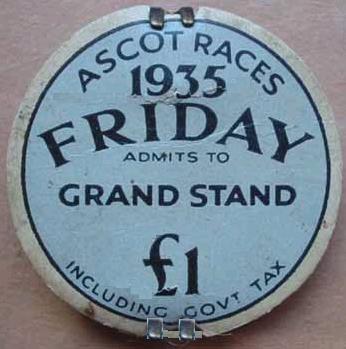
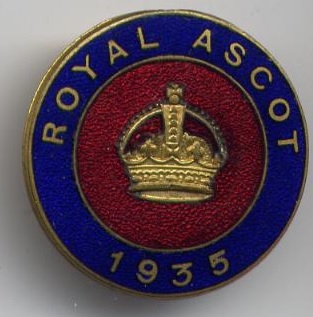
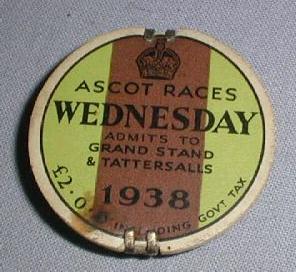
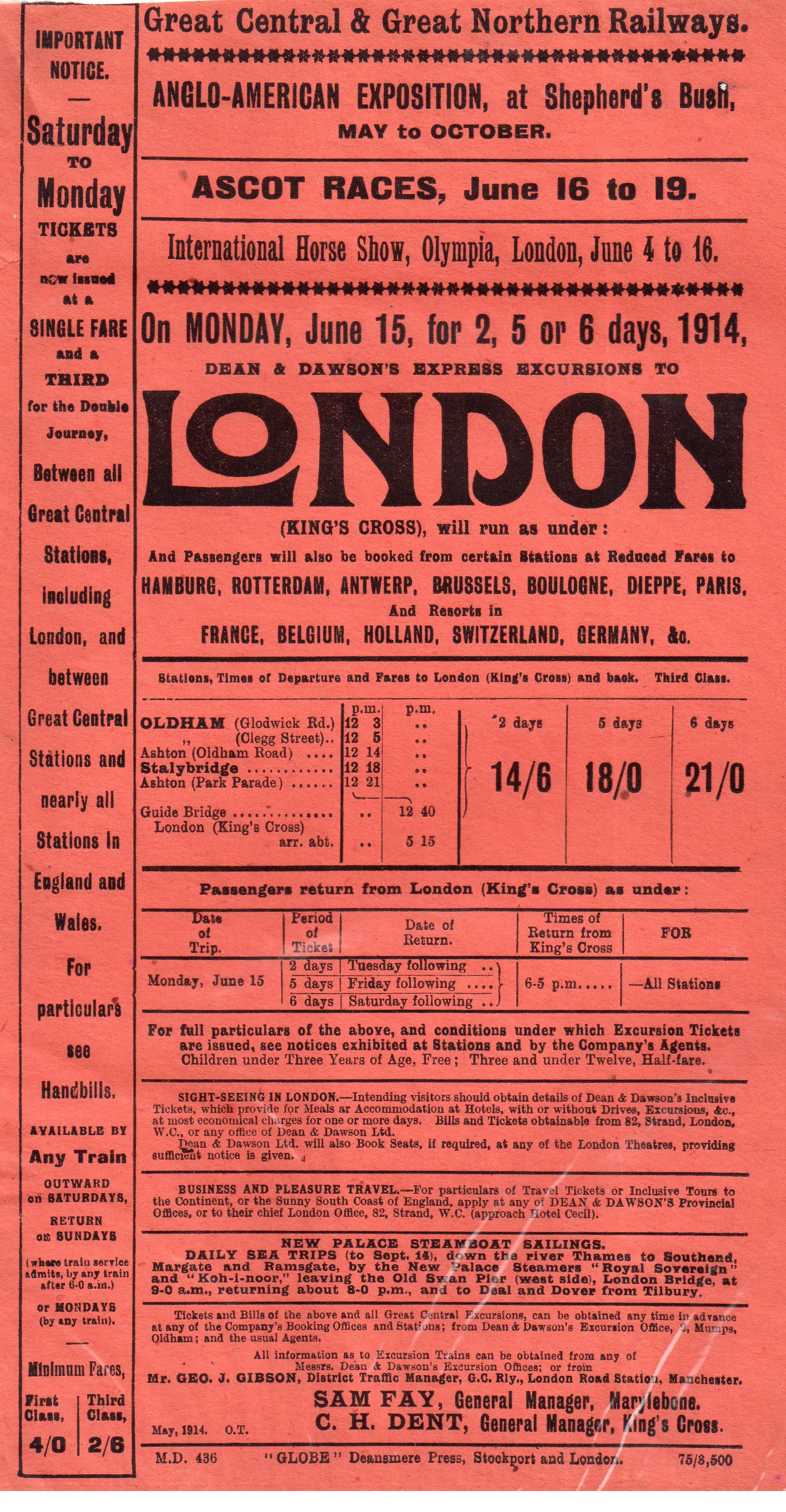
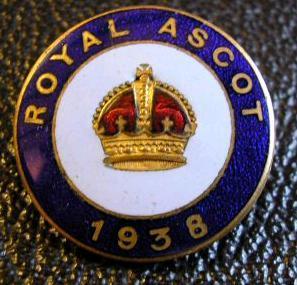
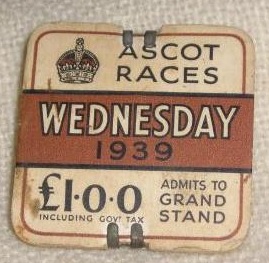
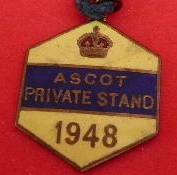
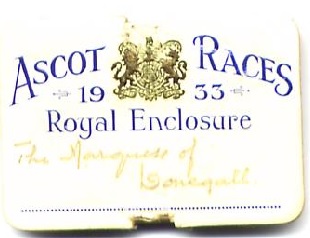
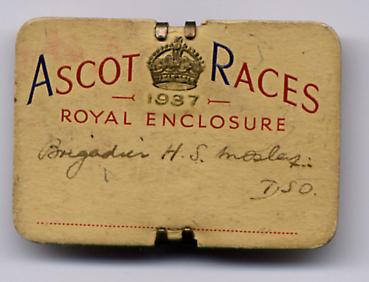
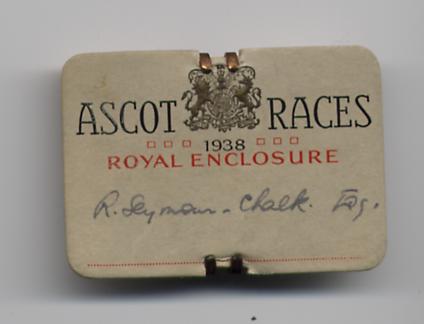
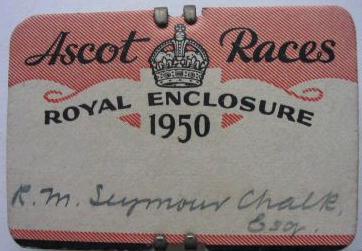
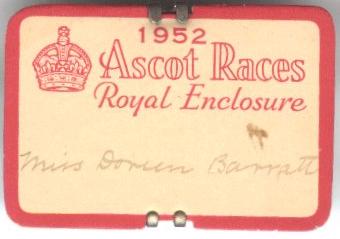
1807 Gold Cup was won by Master Jackey, a 3 year old owned by Mr Durand
1808 Gold Cup was won by Brighton, a 4 year old owned by Mr Fermor
1809 Gold Cup was won by Anderida, a 4 year old owned by General Gower
1810 Gold Cup was won by Loiterer, a 4 year old owned by Lord Lowther
1811 Gold Cup was won by Jannette, a 4 year old owned by Mr F Craven
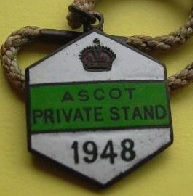
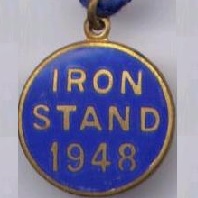
1812 Gold Cup was won by Flash, a 3 year old owned by Lord Lowther
1813 Gold Cup was won by Lutzen, a 4 year old owned by Mr Trevanion
1814 Gold Cup was won by Pranks, a 5 year old owned by Mr Batson
1815 Gold Cup was won by Aladdin, a 5 year old owned by the Duke of York
1816 Gold Cup was won by Anticipation, a 4 year old owned by Mr Thornhill
1817 Gold Cup was won by Sir Richard, a 4 year old owned by Mr Blake
1818 Gold Cup was won by Belville, a 7 year old owned by Lord Darlington
1819 Gold Cup was won by Anticipation, a 7 year old owned by Mr Goddard
1820 Gold Cup was won by Champignon, a 4 year old owned by Mr T A Fraser
1821 Gold Cup was won by Banker, a 5 year old owned by the Duke of York
1822 Gold Cup was won by Sir Huldibrand, a 4 year old owned by Mr J Ramsbottom
1823 Gold Cup was won by Marcellus, a 4 year old owned by the Earl of Darlington and ridden by Will Wheatley
1824 Gold Cup was won by Bizarre, a 4 year old owned by Lord G H Cavendish and ridden by Bill Arnull
1825 Gold Cup was won by Bizarre, a 5 year old owned by Lord G H Cavendish and ridden by Bill Arnull
1826 Gold Cup was won by Chateau Margaux, a 4 year old owned by Mr C Wyndham and ridden by George Dockeray
1827 Gold Cup was won by Memnon, a 5 year old owned by the Earl of Darlington and ridden by Sam Chifney jnr
1828 Gold Cup was won by Bobadilla, a 3 year old owned by Mr A Molony and ridden by Thomas Lye
1829 Gold Cup was won by Zinganee, a 4 year old owned by the 6th Earl of Chesterfield and ridden by Sam Chifney jnr
1830 Gold Cup was won by Lucetta, a 4 year old owned by Sir Mark Wood, 2nd Baronet and ridden by Jem Robinson
1831 Gold Cup was won by Cetus, a 4 year old owned by Sir Mark Wood, 2nd Baronet and ridden by Jem Robinson
1832 Gold Cup was won by Camarine, a 4 year old owned by Sir Mark Wood, 2nd Baronet and ridden by Jem Robinson
1833 Gold Cup was won by Galata, a 4 year old owned by the 2nd Marquess of Exeter and ridden by Bill Arnull
1834 Gold Cup was won by Glaucus, a 4 year old owned by the 6th Earl of Chesterfield and ridden by William Scott
1835 Gold Cup was won by Glencoe, a 4 year old owned by the 5th Earl of Jersey and ridden by Jem Robinson
1836 Gold Cup was won by Touchstone, a 5 year old owned by the 1st Marquess of Westminster and ridden by John Barham Day
1837 Gold Cup was won by Touchstone, a 6 year old owned by the 1st Marquess of Westminster and ridden by William Scott
1838 Gold Cup was won by Grey Momus, a 3 year old owned by Lord George Bentinck and ridden by William Day
1839 Gold Cup was won by Caravan, a 5 year old owned by Mr Isaac Day and ridden by Jem Robinson
1840 Gold Cup was won by St Francis, a 5 year old owned by Mr Robert Pettit and ridden by Sam Chifney jnr
1841 Gold Cup was won by Lanercost, a 6 year old owned by Mr W Ramsay and ridden by W Noble
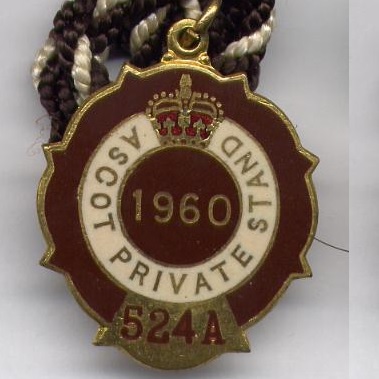
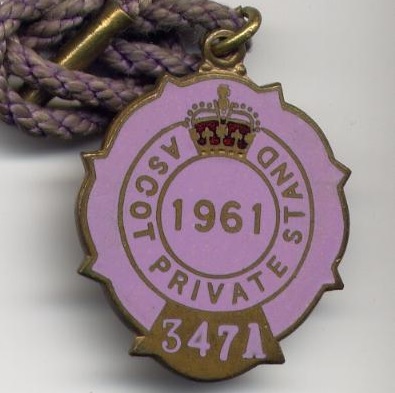
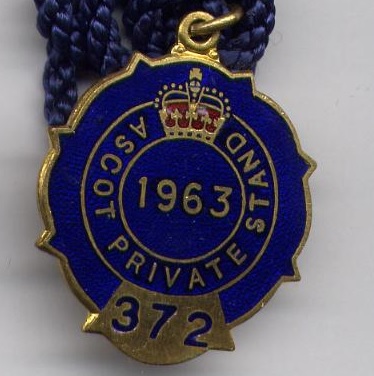
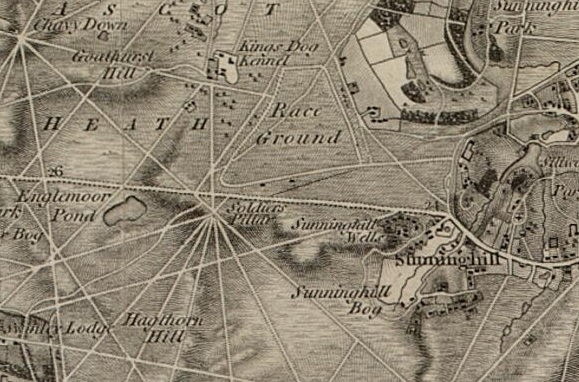
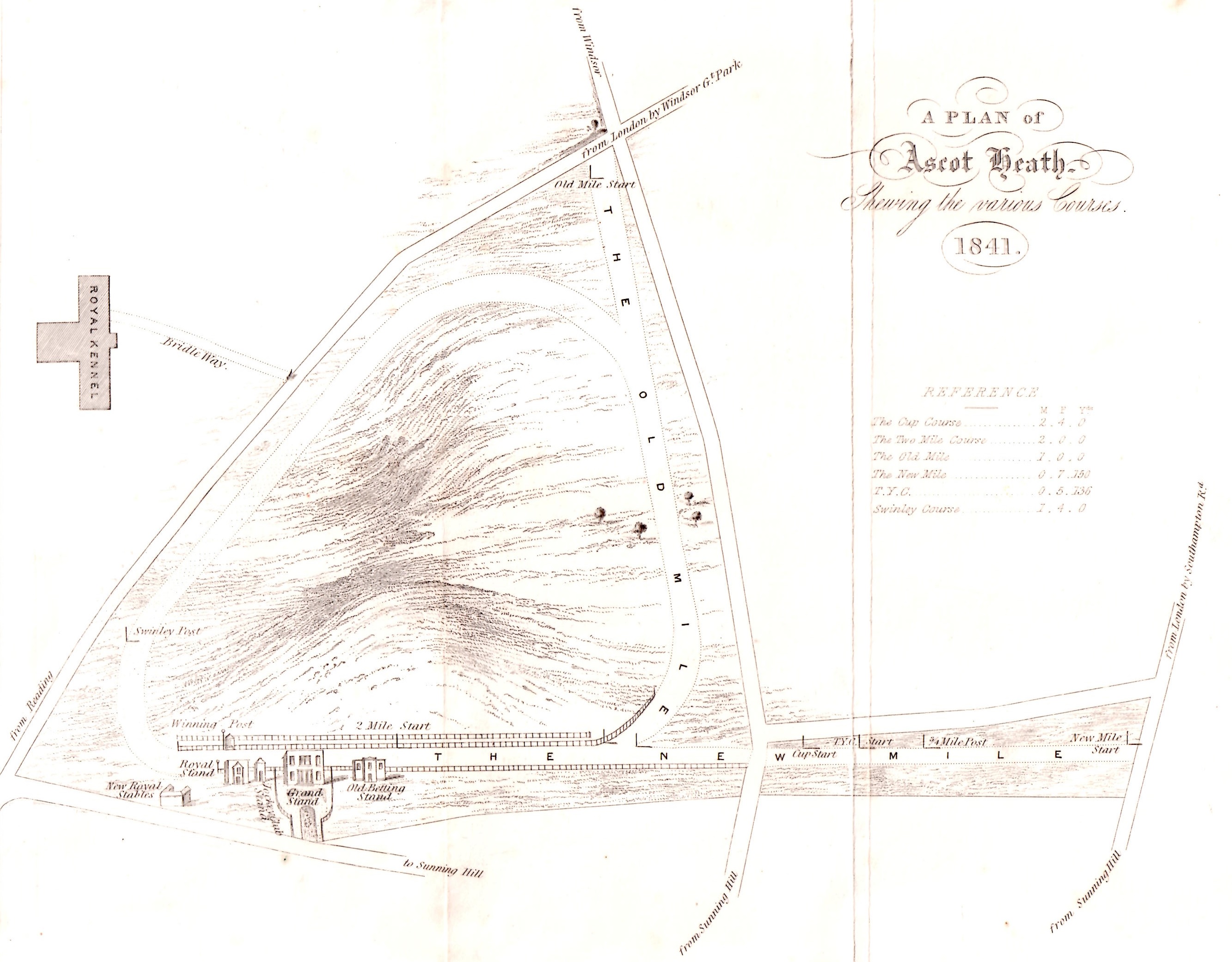
The map below shows Ascot Racecourse in 1841; note the range of courses listed on the map (The Cup Course over 2 miles 4 furlongs; The 2 mile Course; The Old Mile; The New Mile; Two Year Old Course; Swinley Course over 1 mile 4 furlongs)
1842 Gold Cup was won by Beeswing, a 9 year old owned by Mr William Orde and ridden by D Cartwright
1843 Gold Cup was won by Ralph, a 5 year old owned by the 4th Earl of Albemarle and ridden by Jem Robinson
1844 Gold Cup was won by The Emperor, a 3 year old owned by the 4th Earl of Albemarle and ridden by G Whitehouse
1845 Gold Cup was won by The Emperor, a 4 year old owned by the 4th Earl of Albemarle and ridden by G Whitehouse
1846 Gold Cup was won by Alarm, a 4 year old owned by Mr Charles Greville and ridden by Nat Flatman
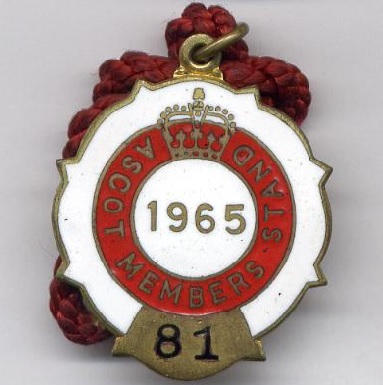
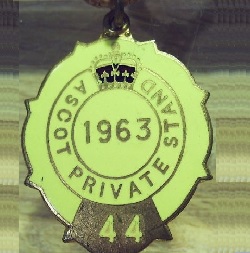
1847 Gold Cup was won by The Hero, a 4 year old owned by John Barham Day and ridden by Alfred Day
1848 Gold Cup was won by The Hero, a 5 year old owned by John Barham Day and ridden by Alfred Day
1849 Gold Cup was won by Van Tromp, a 5 year old owned by the 13th Earl of Eglinton and ridden by Charles Marlow
1850 Gold Cup was won by The Flying Dutchman, a 4 year old owned by the 13th Earl of Eglinton and ridden by Charles Marlow
1851 Gold Cup was won by Woolwich, a 5 year old owned by Mr A Campbell and ridden by Job Marson
1852 Gold Cup was won by Joe Miller, a 3 year old owned by Mr Farrance and ridden by G Mann
1853 Gold Cup was won by Teddington, a 5 year old owned by Mr John Massey Stanley and ridden by Job Marson
1854 Gold Cup was won by West Australian, a 4 year old owned by the 1st Baron of Londesborough and ridden by Alfred Day
1855 Gold Cup was won by Fandango, a 3 year old owned by the 2nd Earl of Zetland and ridden by T Ashmall
1856 Gold Cup was won by Winkfield, a 5 year old owned by Mr S Walker and ridden by J Bartholomew
1857 Gold Cup was won by Skirmisher, a 3 year old owned by the 2nd Earl of Zetland and ridden by J Charlton
1858 Gold Cup was won by Fisherman, a 5 year old owned by Mr J B Starkey and ridden by John Wells
1859 Gold Cup was won by Fisherman, a 6 year old owned by Mr F Higgins and ridden by W Cresswell
1860 Gold Cup was won by Rupee, a 3 year old owned by the 7th Earl of Stamford and ridden by H Grimshaw
1861 Gold Cup was won by Thormanby, a 4 year old owned by Mr James Merry and ridden by Harry Custance
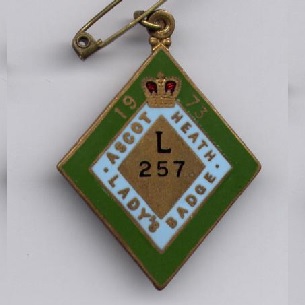
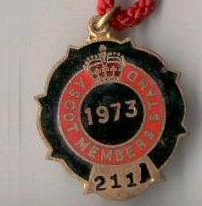
1862 Gold Cup was won by Asteroid, a 4 year old owned by the Sir Joseph Hawley and ridden by John Wells
1863 Gold Cup was won by Buckstone, a 4 year old owned by Mr James Merry and ridden by A Edwards
1864 Gold Cup was won by Scottish Chief, a 3 year old owned by Mr James Merry and ridden by H Covey
1865 Gold Cup was won by Ely, a 4 year old owned by Mr W S Cartwright and ridden by Harry Custance
1866 Gold Cup was won by Gladiateur, a 4 year old owned by Mon. Frederic de Lagrange and ridden by H Grimshaw
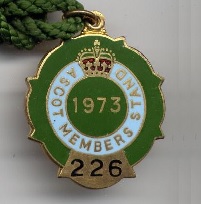
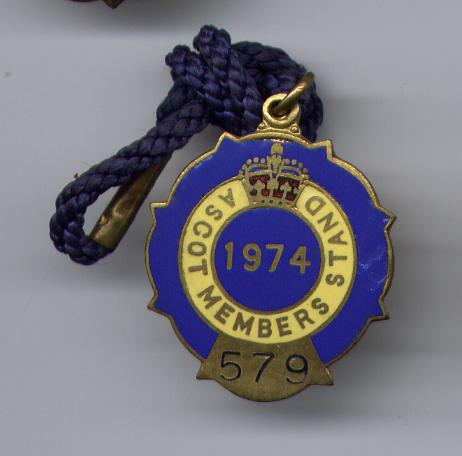
1867 Gold Cup was won by Lecturer, a 4 year old owned by the 4th Marquess of Hastings and ridden by George Fordham
1868 Gold Cup was won by Blue Gown, a 3 year old owned by Sir Joseph Hawley and ridden by Tom Cannon
1869 Gold Cup was won by Brigantine, a 3 year old owned by Sir Frederick Johnstone and ridden by F Butler
1870 Gold Cup was won by Sabinus, a 3 year old owned by Mr J G Hessey and ridden by R Rowell
1871 Gold Cup was won by Mortemer, a 6 year old owned by Mr C F Lefevre and ridden by George Fordham
1872 Gold Cup was won by Henry, a 4 year old owned by Mr C F Lefevre and ridden by George Fordham
1873 Gold Cup was won by Cremorne, a 4 year old owned by Mr Henry Savile and ridden by Charles Maidment
1874 Gold Cup was won by Boiard, a 4 year old owned by Mr Henri Delamarre and ridden by Carver
1875 Gold Cup was won by Doncaster, a 5 year old owned by Mr James Merry and ridden by George Fordham
1876 Gold Cup was won by Apology, a 5 year old owned by Mr Seabrook and ridden by John Osborne jnr
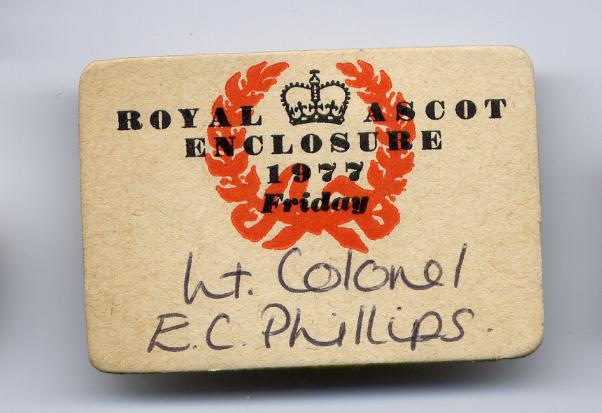
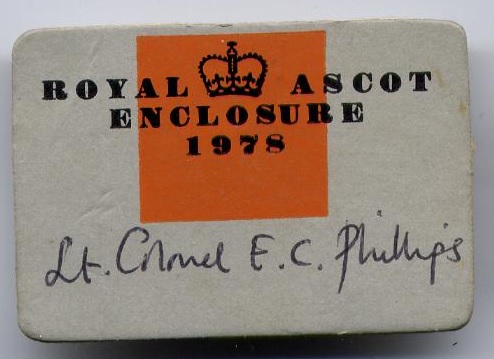
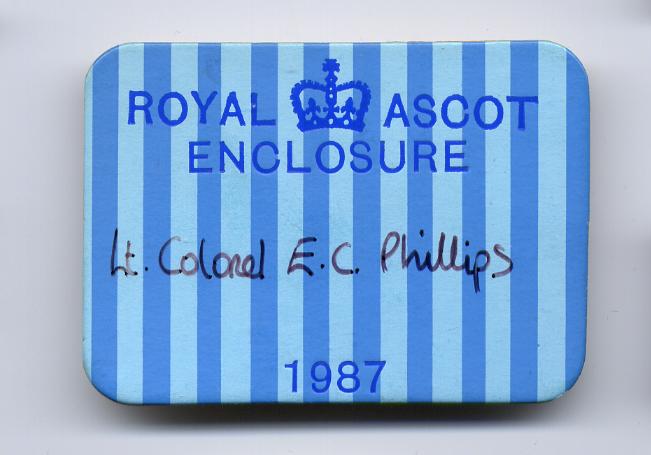
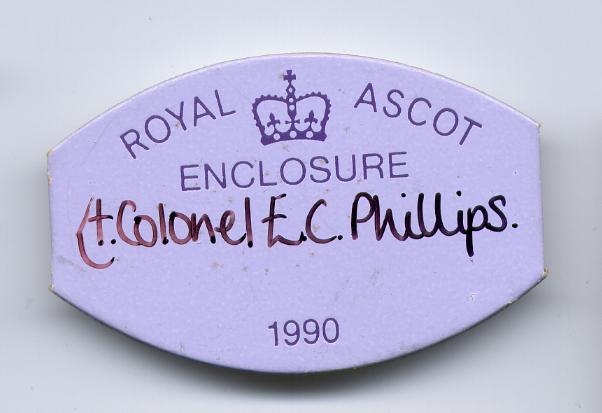
1877 Gold Cup was won by Petrarch, a 4 year old owned by the 4th Earl of Lonsdale and ridden by Tom Cannon
1878 Gold Cup was won by Verneuil, a 4 year old owned by Mons Frederic de Lagrange and ridden by J Goater
1879 Gold Cup was won by Isonomy, a 4 year old owned by Mr Frederick Gretton and ridden by Tom Cannon
1880 Gold Cup was won by Isonomy, a 5 year old owned by Mr Frederick Gretton and ridden by Tom Cannon snr
1881 Gold Cup was won by Robert The Devil, a 4 year old owned by Mr Charles Brewer and ridden by Tom Cannon
1882 Gold Cup was won by Foxhall, a 4 year old owned by Mr James R Keene and ridden by Tom Cannon
1883 Gold Cup was won by Tristan, a 5 year old owned by Mr C J Lefevre and ridden by George Fordham
1884 Gold Cup was won by St Simon, a 3 year old owned by the 6th Duke of Portland and ridden by Charles Wood
1885 Gold Cup was won by St Gatien, a 4 year old owned by Mr Jack Hammond and ridden by Charles Wood
1886 Gold Cup was won by Althorp, a 4 year old owned by Mons Maurice de Hirsch and ridden by Tom Cannon
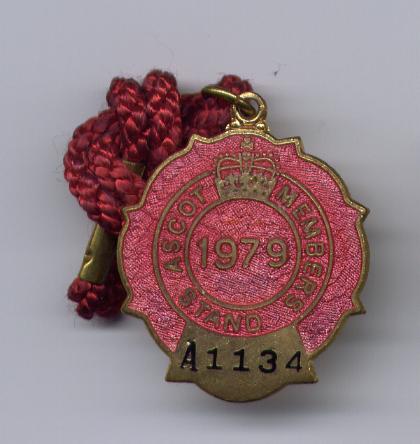
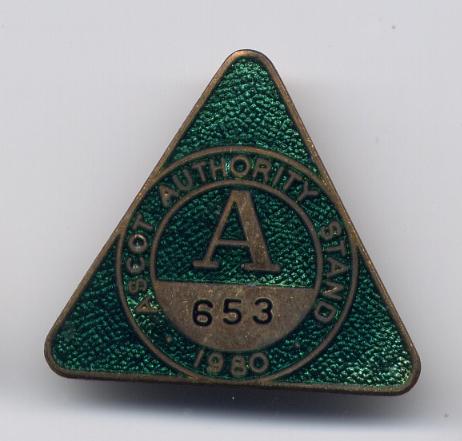
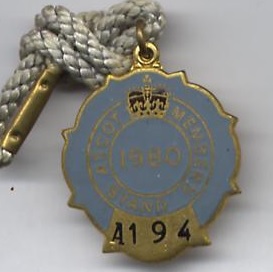
1887 Gold Cup was won by Bird of Freedom, a 5 year old owned by Mr D Baird and ridden by W Warne
1888 Gold Cup was won by Timothy, a 4 year old owned by Mr Harry McCalmont and ridden by Jack Robinson
1889 Gold Cup was won by Trayles, a 4 year old owned by Mr W de la Rue and ridden by Jack Robinson
1890 Gold Cup was won by Gold, a 4 year old owned by Prince Soltykoff and ridden by Frederic Webb
1891 Gold Cup was won by Morion, a 4 year old owned by Lord Hartington and ridden by John Watts
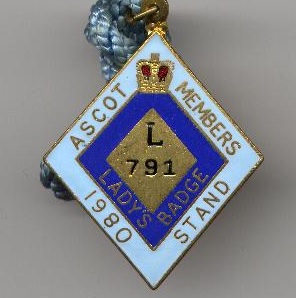
1892 Gold Cup was won by Buccaneer, a 4 year old owned by Lord Rosslyn and ridden by George Barrett
1893 Gold Cup was won by Marcion, a 3 year old owned by Mr R C Vyner and ridden by S Chandley
1894 Gold Cup was won by La Fleche, a 5 year old owned by Mons Maurice de Hirsch and ridden by John Watts
1895 Gold Cup was won by Isinglass, a 5 year old owned by Mr Harry McCalmont and ridden by Tommy Loates
1896 Gold Cup was won by Love Wisely, a 3 year old owned by Mr William Bass and ridden by Sam Loates
1897 Gold Cup was won by Persimmon, a 4 year old owned by the Prince of Wales and ridden by John Watts
1898 Gold Cup was won by Elf, a 5 year old owned by Mons Jacques de Bremond and ridden by E Watkins
1899 Gold Cup was won by Cyllene, a 4 year old owned by Sir Charles Rose and ridden by Sam Loates
1900 Gold Cup was won by Merman, a 8 year old owned by Mr Jersey and ridden by Tod Sloan
1901 Gold Cup was won by Santoi, a 4 year old owned by Mr George Edwards and ridden by Fred Rickaby
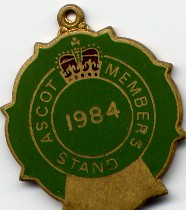
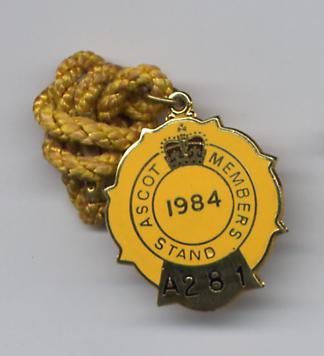
1902 Gold Cup was won by William The Third, a 4 year old owned by the 6th Duke of Portland and ridden by Mornington Cannon
1903 Gold Cup was won by Maximum, a 4 year old owned by Mons Jacques de Bremond and ridden by A McIntyre
1904 Gold Cup was won by Throwaway, a 5 year old owned by Mr Fred Alexander and ridden by Willie Lane
1905 Gold Cup was won by Zinfandel, a 5 year old owned by the 8th Baron Howard de Walden and ridden by Mornington Cannon
1906 Gold Cup was won by Bachelor’s Button, a 7 year old owned by Mr Solly Joel and ridden by Danny Maher
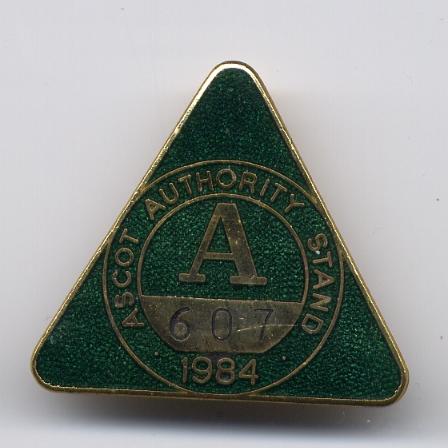
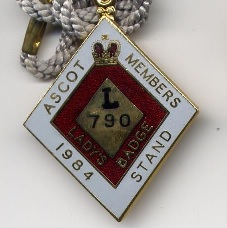
1907 Gold Cup was won by The White Knight, a 4 year old owned by Mr Tom Kirkwood and ridden by William Halsey
1908 Gold Cup was won by The White Knight, a 5 year old owned by Mr Tom Kirkwood and ridden by William Halsey
1909 Gold Cup was won by Bomba, a 3 year old owned by Mr James de Rothschild and ridden by Freddie Fox
1910 Gold Cup was won by Bayardo, a 4 year old owned by Mr Alfred W Cox and ridden by Danny Maher
1911 Gold Cup was won by Willonyx, a 4 year old owned by Mr Charles Howard and ridden by William Higgs
1912 Gold Cup was won by Prince Palatine, a 4 year old owned by Mr Thomas Pilkington and ridden by Frank O’Neill
1913 Gold Cup was won by Prince Palatine, a 5 year old owned by Mr Thomas Pilkington and ridden by W Saxby
1914 Gold Cup was won by Aleppo, a 5 year old owned by Mr Alfred W Cox and ridden by Freddie Fox
1915 Gold Cup (run at Newmarket) was won by Apothecary, a 3 year old owned by Mr Jimmy de Rothschild and ridden by E Lancaster
1916 Gold Cup was not contested
1917 Gold Cup (run at Newmarket) was won by Gay Crusader, a 3 year old owned by Mr Alfred W Cox and ridden by Steve Donoghue
1918 Gold Cup (run at Newmarket) was won by Gainsborough, a 3 year old owned by Lady James Douglas and ridden by Joe Childs
1919 Gold Cup was won by By Jingo, a 5 year old owned by Mr W T de Pledge and ridden by George Hulme
1920 Gold Cup was won by Tangiers, a 4 year old owned by Sir William Nelson and ridden by George Hulme

1921 Gold Cup was won by Periosteum, a 4 year old owned by Mr Ben Irish and ridden by Frank Bullock
1922 Gold Cup was won by Golden Myth, a 4 year old owned by Sir George Bullough and ridden by Charlie Elliott
1923 Gold Cup was won by Happy Man, a 7 year old owned by Mr F Hardy and ridden by Victor Smyth
1924 Gold Cup was won by Massine, a 4 year old owned by Mr Henri Ternynck and ridden by Fred Sharpe
1925 Gold Cup was won by Santorb, a 4 year old owned by Mr A Barclay-Walker and ridden by Steve Donoghue
1926 Gold Cup was won by Solario, a 4 year old owned by Sir John Rutherford and ridden by Joe Childs
1927 Gold Cup was won by Foxlaw, a 7 year old owned by Sir Abe Bailey and ridden by Brownie Carslake
1928 Gold Cup was won by Invershin, a 6 year old owned by Mr John Reid Walker and ridden by Brownie Carslake
1929 Gold Cup was won by Invershin, a 7 year old owned by Mr John Reid Walker and ridden by Richard Perryman
1930 Gold Cup was won by Bosworth, a 4 year old owned by the 17th Earl of Derby and ridden by Tommy Weston
1931 Gold Cup was won by Trimdon, a 5 year old owned by Mr Charles Lambton and ridden by Joe Childs
1932 Gold Cup was won by Trimdon, a 6 year old owned by Mr Charles Lambton and ridden by Joe Childs
1933 Gold Cup was won by Foxhunter, a 4 year old owned by Mr Edward Esmond and ridden by Harry Wragg
1934 Gold Cup was won by Felicitation, a 4 year old owned by HH Aga Khan III and ridden by Gordon Richards
1935 Gold Cup was won by Tiberius, a 4 year old owned by Sir Abe Bailey and ridden by Tommy Weston
1936 Gold Cup was won by Quashed, a 4 year old owned by Lord Stanley and ridden by Richard Perryman
1937 Gold Cup was won by Precipitation, a 4 year old owned by Lady Zia Wernher and ridden by Patrick Beasley
1938 Gold Cup was won by Flares, a 5 year old owned by Mr William Woodward snr and ridden by Bobby Jones
1939 Gold Cup was won by Flyon, a 4 year old owned by the 1st Baron Milford and ridden by Eph Smith
1940 Gold Cup was not contested
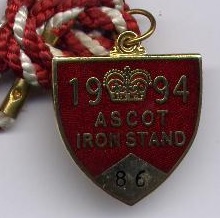
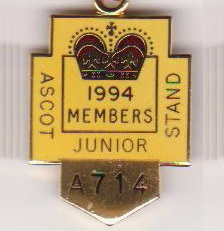
1941 Gold Cup (run at Newmarket) was won by Finis, a 6 year old owned by Sir Hugo Cunliffe-Owen and ridden by Harry Wragg
1942 Gold Cup (run at Newmarket) was won by Owen Tudor, a 4 year old owned by Mrs Catherine Macdonald-Buchanan and ridden by Gordon Richards
1943 Gold Cup (run at Newmarket) was won by Ujiji, a 4 year old owned by Mr Alfred Allnatt and ridden by Gordon Richards
1944 Gold Cup (run at Newmarket) was won by Umiddad, a 4 year old owned by HH Aga Khan III and ridden by Gordon Richards
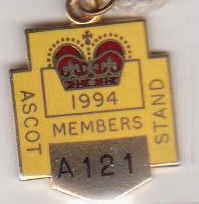
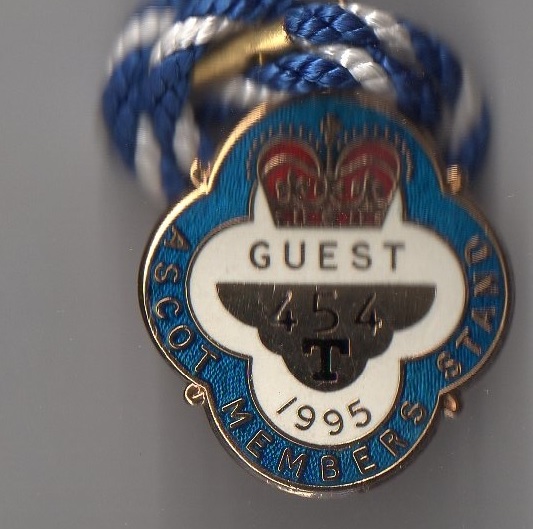
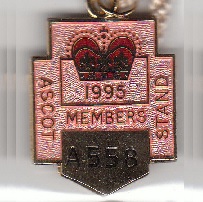
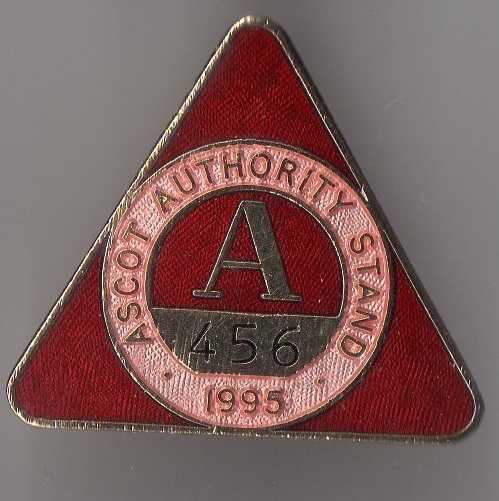
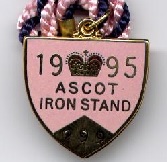
1945 Gold Cup was won by Ocean Swell, a 4 year old owned by the 6th Earl of Rosebery and ridden by Eph Smith
1946 Gold Cup was won by Caracalla, a 4 year old owned by Mons Marcel Boussac and ridden by Charlie Elliott
1947 Gold Cup was won by Souverain, a 4 year old owned by Mr F R Schmitt and ridden by Marcel Lollierou
1948 Gold Cup was won by Arbar, a 4 year old owned by Mons Marcel Boussac and ridden by Charlie Elliott
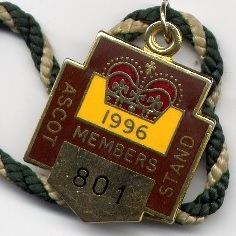
1949 Gold Cup was won by Alycidon, a 4 year old owned by the 18th Earl of Derby and ridden by Doug Smith
1950 Gold Cup was won by Supertello, a 4 year old owned by Mr Wilfred Harvey and ridden by Doug Smith
1951 Gold Cup was won by Pan, a 4 year old owned by Mr Eugène Constant and ridden by Roger Poincelet
1952 Gold Cup was won by Aquino, a 4 year old owned by the Maharanee of Baroda and ridden by Gordon Richards
1953 Gold Cup was won by Souepi, a 5 year old owned by Mr George Digby and ridden by Charlie Elliott
1954 Gold Cup was won by Elpenor, a 4 year old owned by Mons Marcel Boussac and ridden by Jacques Doyasbere
1955 Gold Cup was won by Botticelli, a 4 year old owned by Mr Mario della Rocchetta and ridden by Enrico Camici
1956 Gold Cup was won by Macip, a 4 year old owned by Mons Marcel Boussac and ridden by Serge Boullenger
1957 Gold Cup was won by Zarathustra, a 6 year old owned by the Mr Terence Gray and ridden by Lester Piggott
1958 Gold Cup was won by Gladness, a 5 year old owned by Mr John McShain and ridden by Lester Piggott
1959 Gold Cup was won by Wallaby, a 4 year old owned by Mr Geoffrey de Waldner and ridden by Freddie Palmer
1960 Gold Cup was won by Sheshoon, a 4 year old owned by Prince Aly Khan and ridden by George Moore
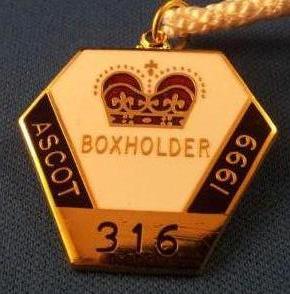
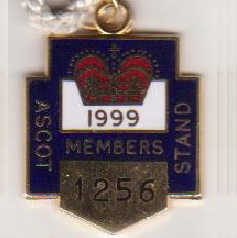
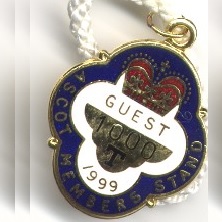
1961 Gold Cup was won by Pandofell, a 4 year old owned by Mr H Warwick Daw and ridden by Lester Piggott
1962 Gold Cup was won by Balto, a 4 year old owned by the Mr Andre Rueff and ridden by Freddie Palmer
1963 Gold Cup was won by Twilight Alley, a 4 year old owned by Lady Sassoon and ridden by Lester Piggott
1964 Gold Cup was won not contested due to a waterlogged course
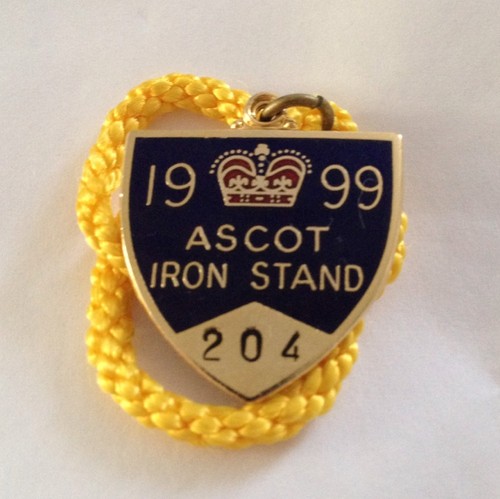
1965 Gold Cup was won by Fighting Charlie, a 4 year old owned by Lady Mairi Bury and ridden by Lester Piggott
1966 Gold Cup was won by Fighting Charlie, a 5 year old owned by Lady Mairi Bury and ridden by Greville Starkey
1967 Gold Cup was won by Parbury, a 4 year old owned by the Mr Herbert Holt and ridden by Joe Mercer
1968 Gold Cup was won by Pardallo, a 5 year old owned by Mrs Suzy Volterra and ridden by Bill Pyers

1969 Gold Cup was won by Levmoss, a 4 year old owned by Mr Seamus McGrath and ridden by Bill Williamson
1970 Gold Cup was won by Precipice Wood, a 4 year old owned by Mr Bobby McAlpine and ridden by Jimmy Lindley
1971 Gold Cup was won by Random Shot, a 4 year old owned by Mrs G Benskin and ridden by Geoff Lewis
1972 Gold Cup was won by Erimo Hawk, a 4 year old owned by the Mr Y Yamamoto and ridden by Pat Eddery
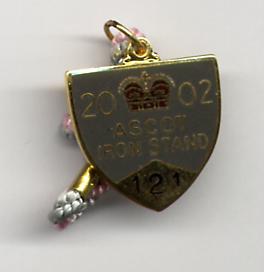
1973 Gold Cup was won by Lassalle, a 4 year old owned by Mr Zenya Yoshida and ridden by Jimmy Lindley
1974 Gold Cup was won by Ragstone, a 4 year old owned by the 16th Duke of Norfolk and ridden by Ron Hutchinson
1975 Gold Cup was won by Sagaro, a 4 year old owned by Mr Gerry Oldham and ridden by Lester Piggott
1976 Gold Cup was won by Sagaro, a 5 year old owned by Mr Gerry Oldham and ridden by Lester Piggott
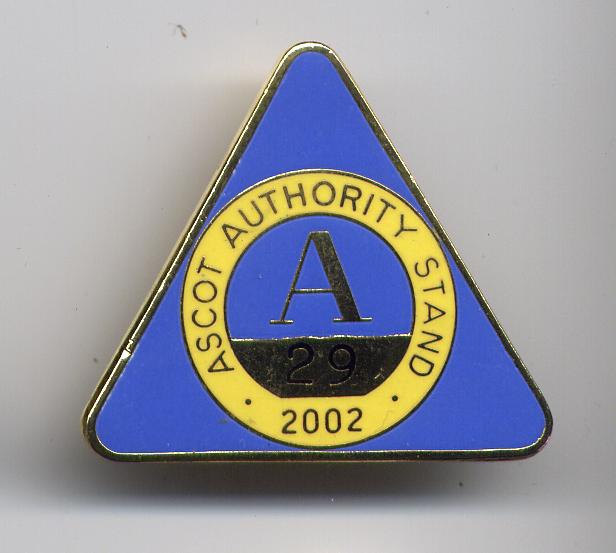
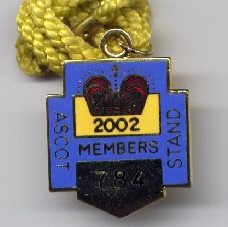
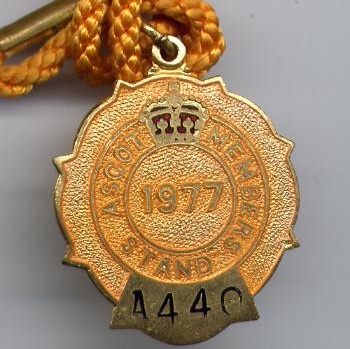
1977 Gold Cup was won by Sagaro, a 6 year old owned by the Mr Gerry Oldham and ridden by Lester Piggott
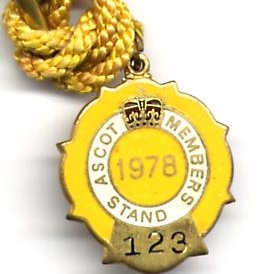
1978 Gold Cup was won by Shangamuzo, a 5 year old owned by Mrs E Charles and ridden by Greville Starkey
1979 Gold Cup was won by Le Moss, a 4 year old owned by Mr Carlo d’Alessio and ridden by Lester Piggot
1980 Gold Cup was won by Le Moss, a 5 year old owned by Mr Carlo d’Alessio and ridden by Joe Mercer
1981 Gold Cup was won by Ardross, a 5 year old owned by Mr Charles St George and ridden by Lester Piggott
1982 Gold Cup was won by Ardross, a 6 year old owned by Mr Charles St George and ridden by Lester Piggott
1983 Gold Cup was won by Little Wolf, a 5 year old owned by Lord Porchester and ridden by Willie Carson
1984 Gold Cup was won by Gildoran, a 4 year old owned by Mr Robert Sangster and ridden by Steve Cauthen
1985 Gold Cup was won by Gildoran, a 5 year old owned by Mr Robert Sangster and ridden by Brent Thompson
1986 Gold Cup was won by Longboat, a 5 year old owned by Mr Dick Hollingsworth and ridden by Willie Carson
1987 Gold Cup was won by Paean, a 4 year old owned by Lord Howard de Walden and ridden by Steve Cauthen
1988 Gold Cup was won by Sadeem, a 5 year old owned by Sheikh Mohammed and ridden by Greville Starkey
1989 Gold Cup was won by Sadeem, a 6 year old owned by Sheikh Mohammed and ridden by Willie Carson
1990 Gold Cup was won by Ashal, a 4 year old owned by Hamdan Al Maktoum and ridden by Richard Hills
1991 Gold Cup was won by Indian Queen, a 6 year old owned by Sir Gordon Brunton and ridden by Walter Swinburn
1992 Gold Cup was won by Drum Taps, a 6 year old owned by Yoshio Asakawa and ridden by Frankie Dettori
1993 Gold Cup was won by Drum Taps, a 7 year old owned by Yoshio Asakawa and ridden by Frankie Dettori
1994 Gold Cup was won by Arcadian Heights, a 6 year old owned by Mr John Pearce and ridden by Michael Hills
1995 Gold Cup was won by Double Trigger, a 4 year old owned by Mr Ron Huggins and ridden by Jason Weaver
1996 Gold Cup was won by Classic Cliche, a 4 year old owned by Godolphin and ridden by Michael Kinane
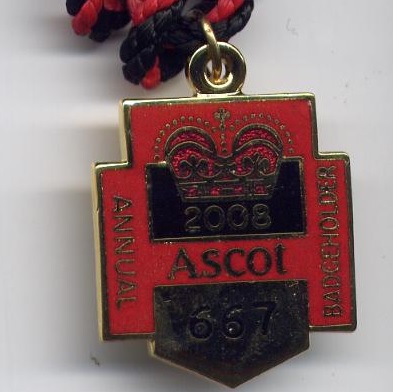
1997 Gold Cup was won by Celeric, a 5 year old owned by the Mr Christopher Spence and ridden by Pat Eddery
1998 Gold Cup was won by Kayf Tara, a 4 year old owned by Godolphin and ridden by Frankie Dettori
1999 Gold Cup was won by Enzeli, a 4 year old owned by HH Aga Khan IV and ridden by Johnny Murtagh
2000 Gold Cup was won by Kayf Tara, a 6 year old owned by Godolphin and ridden by Michael Kinane
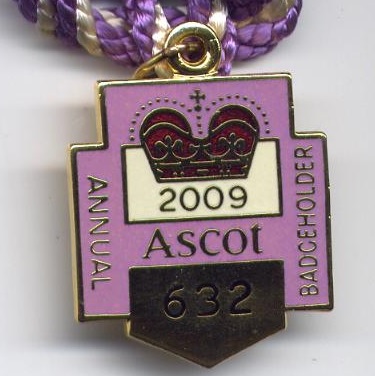
2001 Gold Cup was won by Royal Rebel, a 5 year old owned by Mr Peter Saville and ridden by Johnny Murtagh
2002 Gold Cup was won by Royal Rebel, a 6 year old owned by the Mr Peter Saville and ridden by Johnny Murtagh
2003 Gold Cup was won by Mr Dinos, a 4 year old owned by Mr Constantine Shiacolas and ridden by Kieren Fallon
2004 Gold Cup was won by Papineau, a 4 year old owned by Godolphin and ridden by Frankie Dettori
2005 Gold Cup (run at York) was won by Westerner, a 6 year old owned by Ecurie Wildenstein and ridden by Olivier Peslier
2006 Gold Cup was won by Yeats, a 5 year old owned by Messers Magnier and Nagleand ridden by Kieren Fallon
2007 Gold Cup was won by Yeats, a 6 year old owned by Messers Magnier and Nagle and ridden by Michael Kinane
2008 Gold Cup was won by Yeats, a 7 year old owned by Messers Magnier and Nagle and ridden by Johnny Murtagh
2009 Gold Cup was won by Yeats, an 8 year old owned by Messers Magnier and Nagle and ridden by Johnny Murtagh
2010 Gold Cup was won by Rite of Passage, a 6 year old owned by Dr Ronan Lambe and ridden by Pat Smullen
2011 Gold Cup was won by Fame and Glory, a 5 year old owned by Messers Smith, Magnier and Tabor and ridden by Jamie Spencer
2012 Gold Cup was won by Colour Vision, a 4 year old owned by Godolphin and ridden by Frankie Dettori
2013 Gold Cup was won by Estimate, a 4 year old owned by Queen Elizabeth II and ridden by Ryan Moore
2014 Gold Cup was won by Leading Light, a 4 year old owned by Messers Smith, Magnier and Tabor and ridden by Joseph O’Brien
2015 Gold Cup was won by Trip To Paris, a 4 year old owned by the La Grange Partnership and ridden by Graham Lee
2016 Gold Cup was won by Order of St George, a 4 year old owned by Messers Smith, Magnier and Tabor and ridden by Ryan Moore