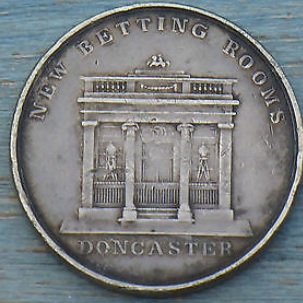
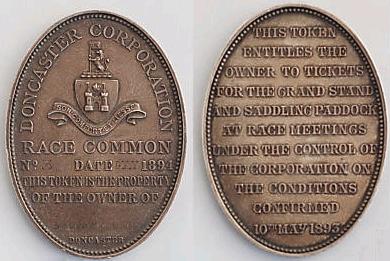
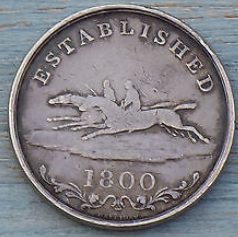
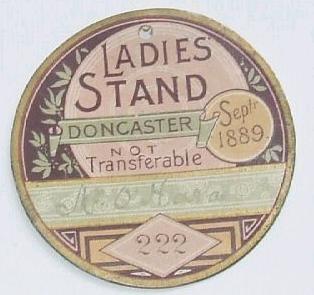
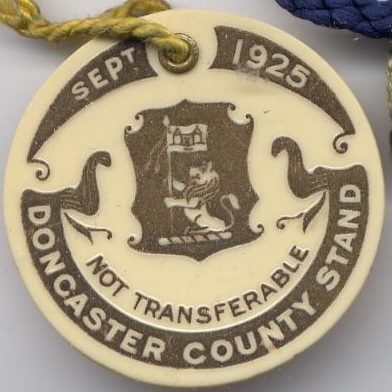
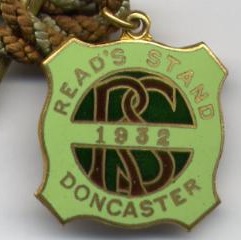
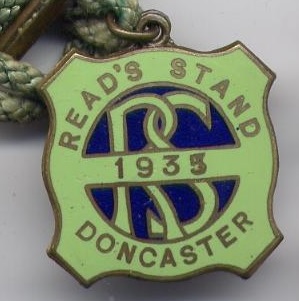
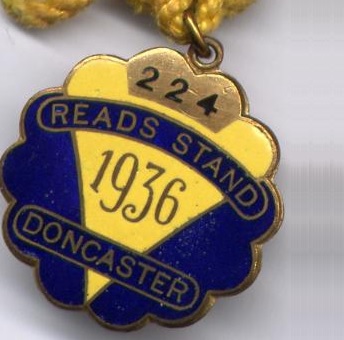
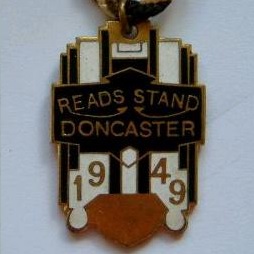
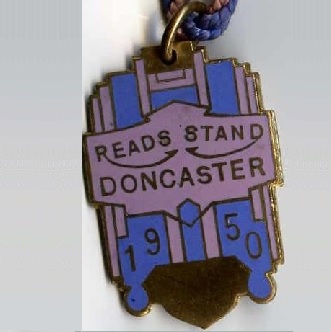
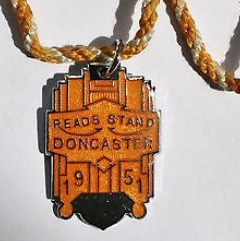
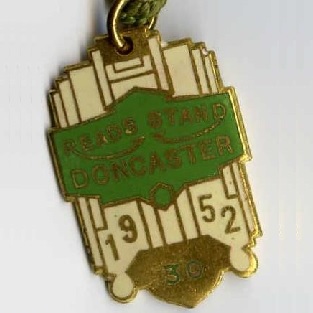
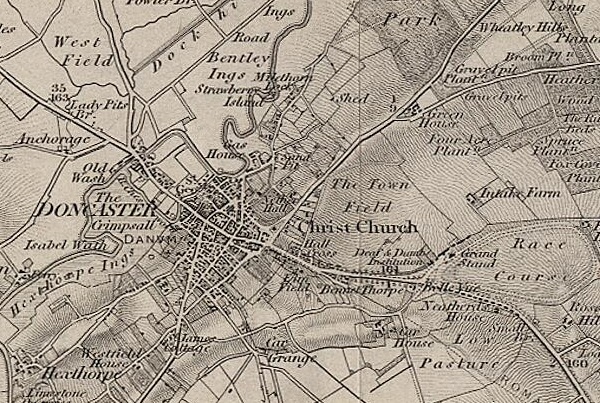
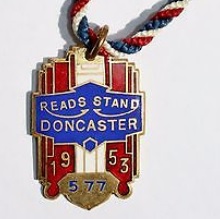
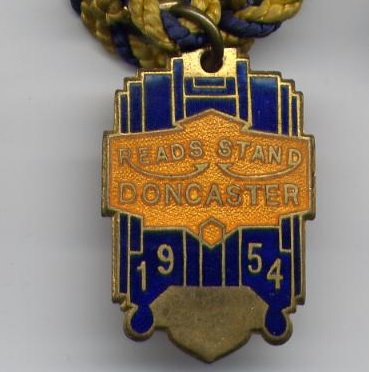
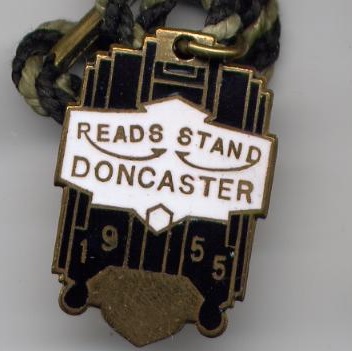
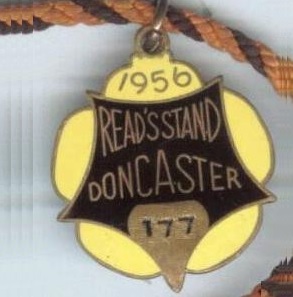
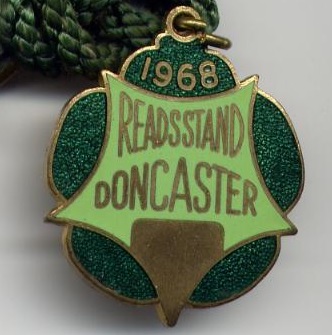
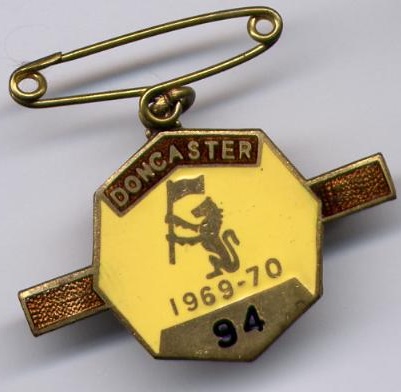
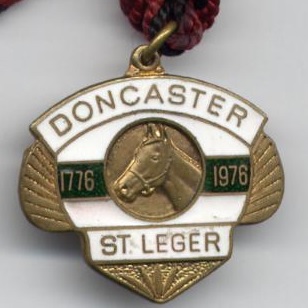
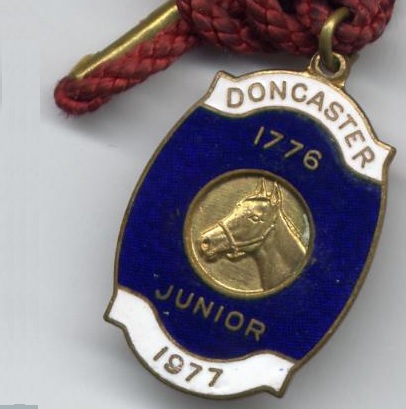
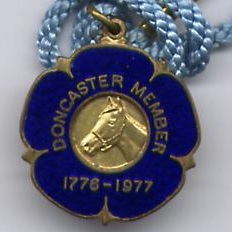
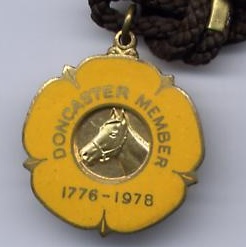
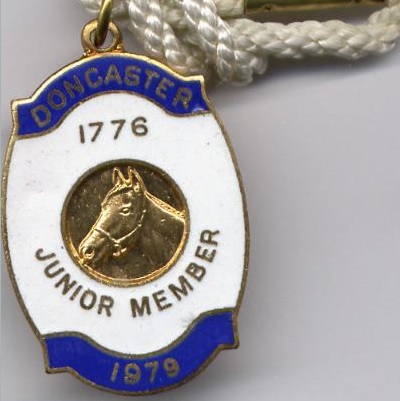
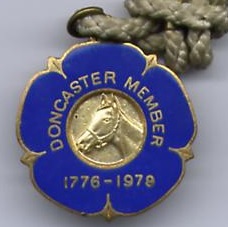
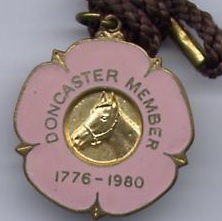
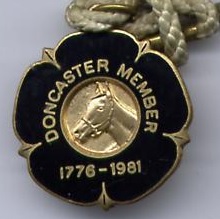
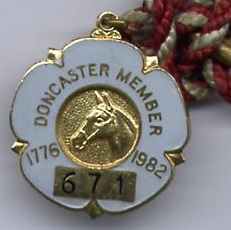
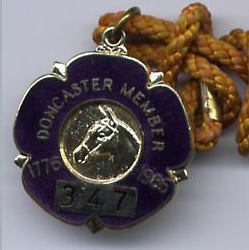
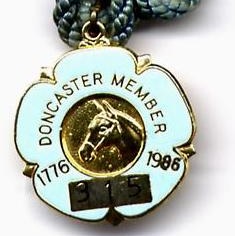
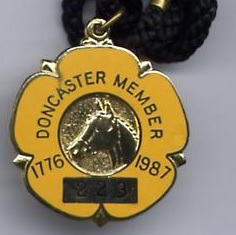
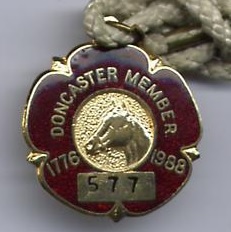
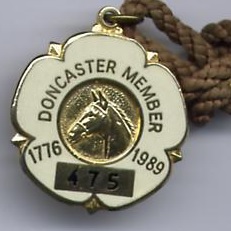
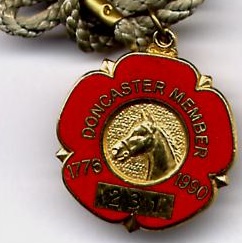
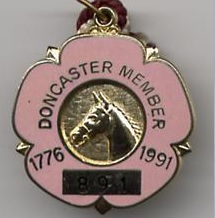
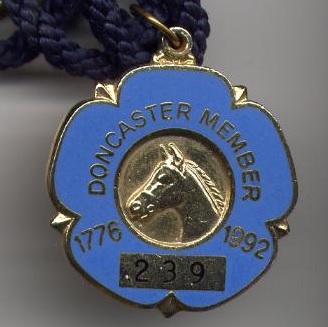
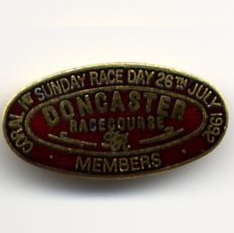
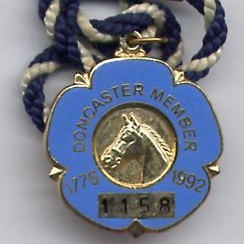
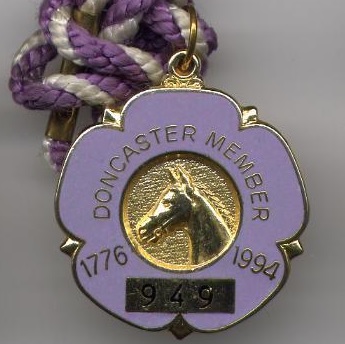
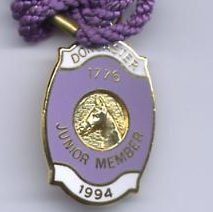
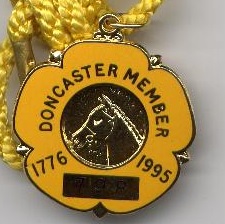
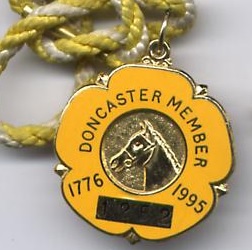
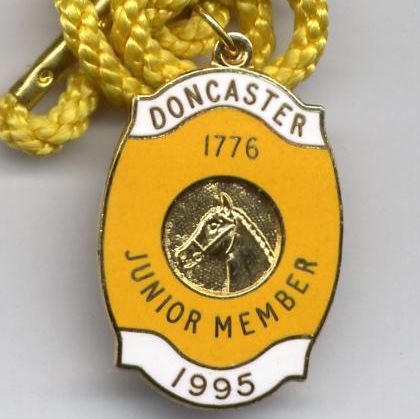
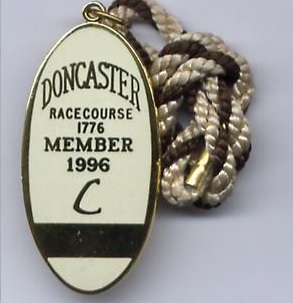
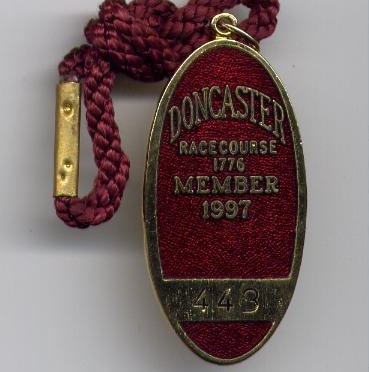
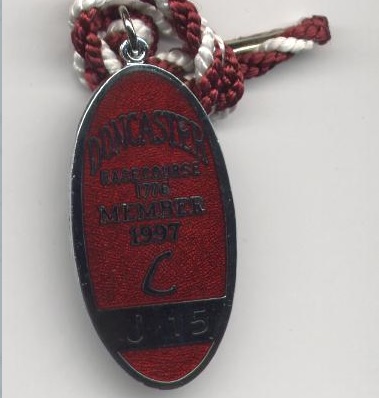
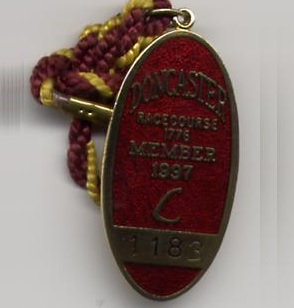
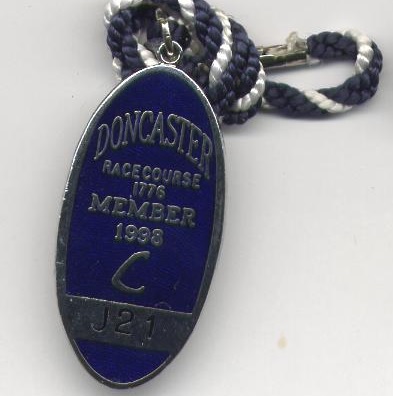
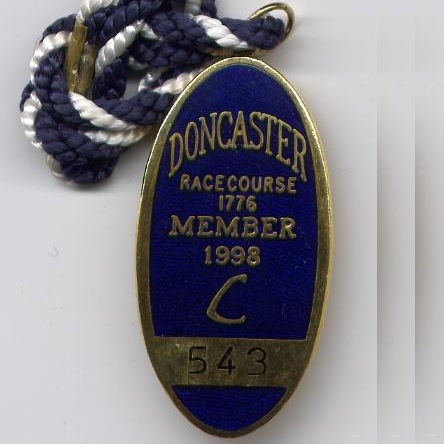
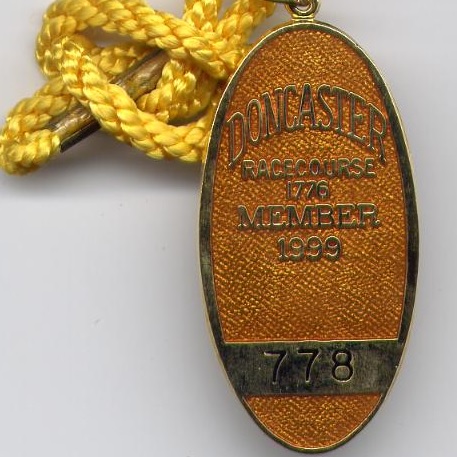
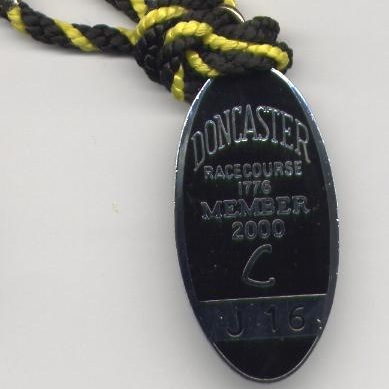
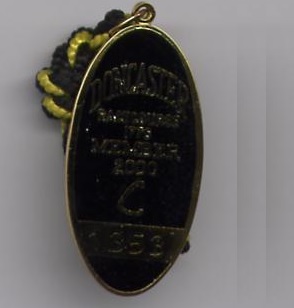
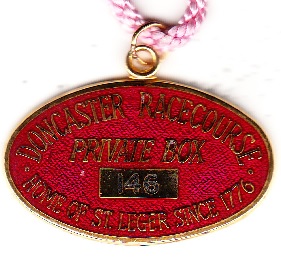
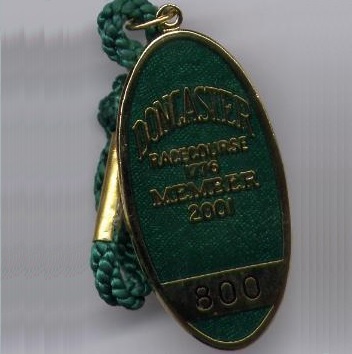
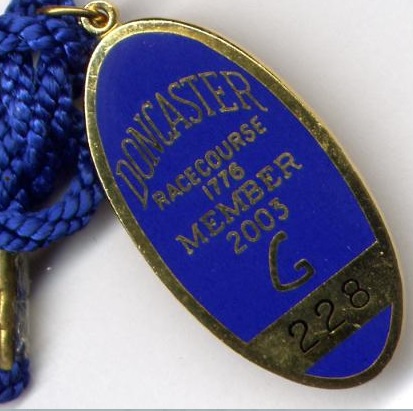
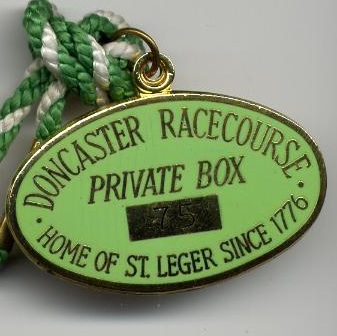
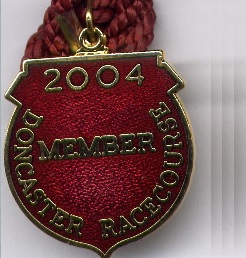
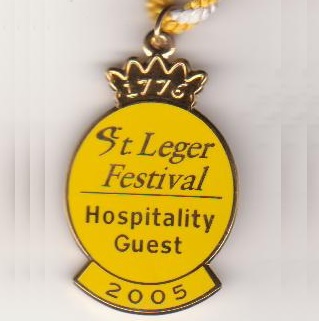
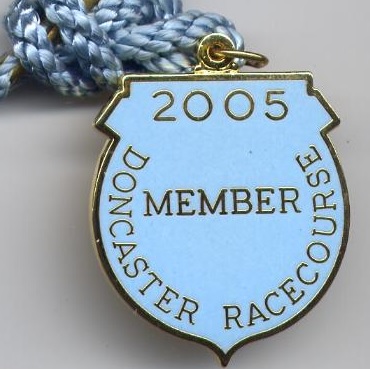
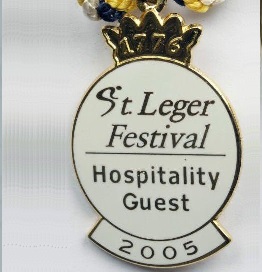
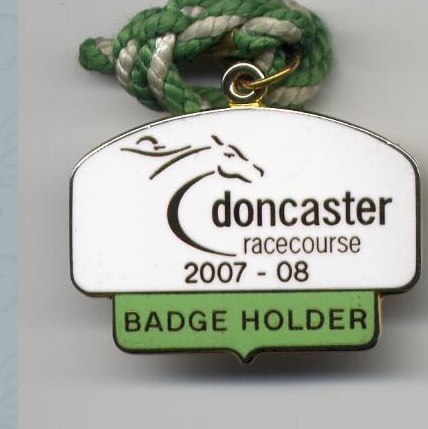
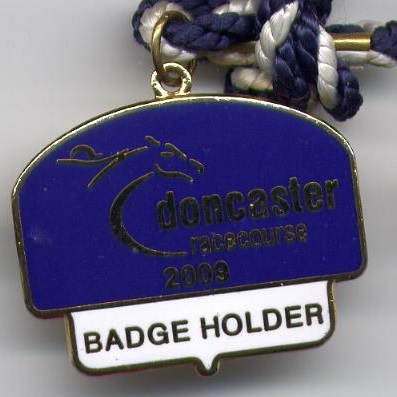
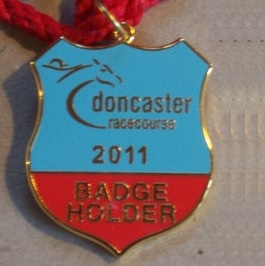
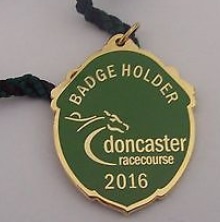
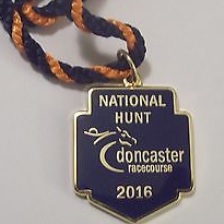
A map of 1595 shows a racecourse in the vicinity of Doncaster at Wheatley Moor, and throughout the period 1600 to 1746 racing took place regularly at Doncaster, supported by the local Corporation. In June 1710 a Guineas Plate was contested on Doncaster Common, while by 1751 results started to emerge from the meetings which were grand affairs coupled with a successful Race Ball after each meeting. In 1764 the Doncaster Corporation Plate was contested for the first time, while two years later the Doncaster Gold Cup was added to the programme. The years 1776 to 1778 were probably the most important in the racecourse’s history; in 1776 Anthony St Leger (originally Sellinger) proposed that a 25 guineas sweepstake take place for 3 year olds on the Cantley Common part of the racecourse. The inaugural running of the race over two miles, not yet called the St Leger, was won by Allabaculia, owned by Lord Rockingham and ridden by J Singleton. A year later the first occasion the St Leger, still not named as such, was run on the Town Moor course, while in the same year a grandstand was constructed, paid for by selling silver badges at £7 a time. The stand cost £2637 to build and each buyer of a silver token was given free entrance to the racecourse for life. Finally, in 1778 the St Leger (full results shown below) was run for the first time under its current name and was won by Hollandaise, owned by Sir Thomas Gascoigne and ridden by George Heron, defeating 7 other rivals. In 1826 sixty noblemen of Doncaster became subscribers, including the Dukes of Portland and Devonshire, and the Marquesses of Westminster and Queensberry, each contributing to the building of a new grandstand. Racing ceased at Doncaster during the First World War, the St Leger being transferred to Newmarket. Racing also lapsed between 1939 and 1945 due to the Second World War. The Lincoln Handicap, which transferred from Lincoln after that course closed, was run on the one mile round course for the only time in modern history in 1978. Tragedy nearly struck at Doncaster in 1989 when a collapsed drain caused mayhem during a race and forced the St Leger to be run at Ayr. A famous day, not only in Doncaster’s history but also the history of racing, occurred in 1992 when the first Sunday race meeting took place at the course on 26th July 1992.
Currently 36 Flat and National Hunt fixtures are staged annually.
A detailed history of every St Leger contested since 1776, including all runners, jockeys, owners, trainers, betting odds, prize money (with 2017 comparisons) and, where available, video clips is available at ST LEGER HISTORY
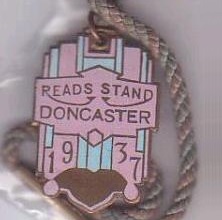
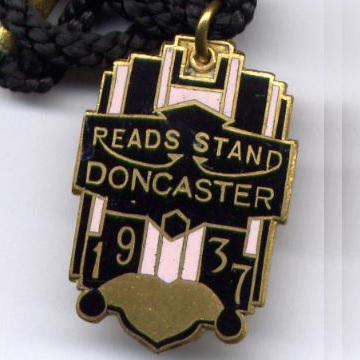
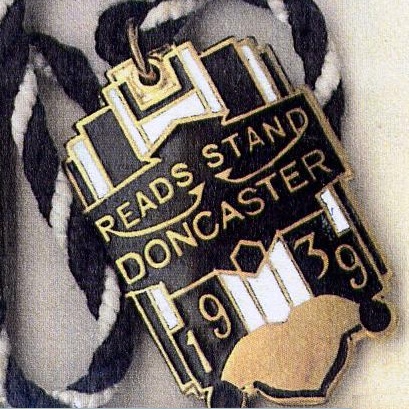
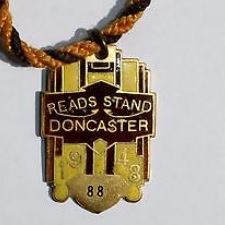
Racing first took place in the vicinity of the Derbyshire town of Chesterfield as early as 1692 with meetings held at Ashover, about 6 miles from Chesterfield. In July 1728 Chesterfield held a 3 day meeting in July, albeit just one race each day, and by 1733 the entries for the meeting were so small that future meetings were put in jeopardy. The original course was on Whittington Moor, some 1 ½ miles to the north of Chesterfield, and by 1797 there was an urgent need to improve the course. It was extended to 2 miles in circumference, with a 4 furlong uphill run in, but it was not until 1829 that the first grandstand was built. Financing the building of the Grandstand proved difficult and a debt still remained some 13 years after the building was completed. At that point Silver Tickets were offered for £5 and enabled its owner to gain free entry to the racecourse in perpetuity. Chesterfield Racecourse will go down in history as the course on which one of the most famous jockeys of all time, Fred Archer, rode his first winner at the tender age of 13. It was on 28th September 1870 that the young Archer contested a 2 year old Nursery aboard Atholl Daisy and won at 3/1. The final meeting took place on Wednesday 10th October 1877.
Tuesday 22nd July 1730
Earl of Scarsdale’s 6 year old Plate over 2 miles
1. Emma, brown mare owned by Mr Bright
2. Smuggler, grey mare owned by Mr Peirse
3. Moor Hero, grey mare owned by Mr Goostrey
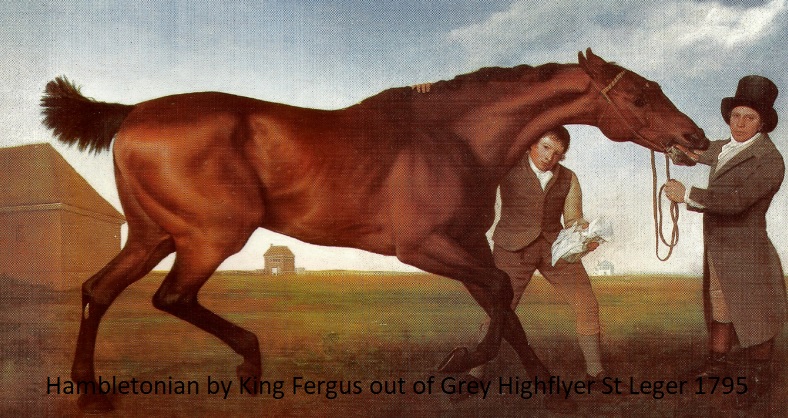
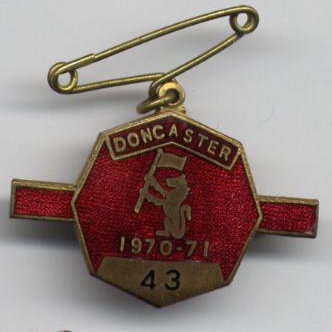
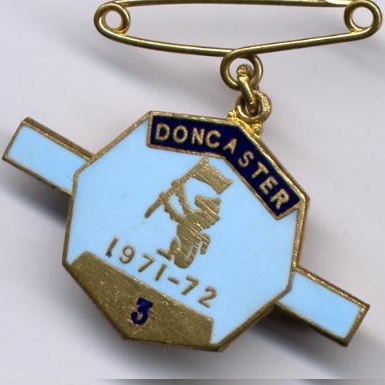
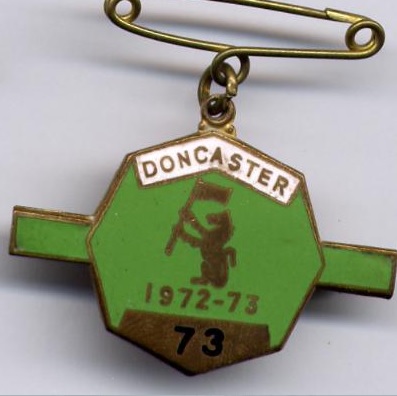
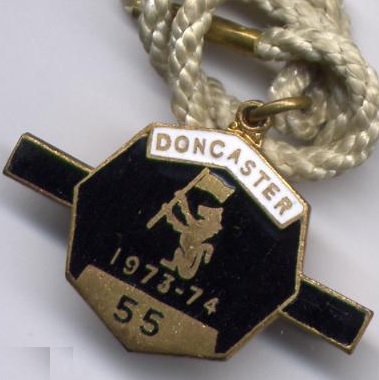
1933 The St Leger was won by Hyperion, owned by the 17th Earl of Derby, trained by George Lambton and ridden by Tommy Weston
1934 The St Leger was won by Windsor Lad, owned by Martin H Benson, trained by Marcus Marsh and ridden by Charlie Smirke
1935 The St Leger was won by Bahram, owned by the HH Aga Khan III, trained by Frank Butters and ridden by Charlie Smirke
1936 The St Leger was won by Boswell, owned by William Woodward, trained by Cecil Boyd-Rochfort and ridden by Pat Beasley
1937 The St Leger was won by Chulmleigh, owned by the 1st Baron Glanely, trained by Thomas Hogg and ridden by Gordon Richards
1938 The St Leger was won by Scottish Union, owned by Jimmy Rank, trained by Noel Cannon and ridden by Brownie Carslake
1939 The St Leger was not contested
1940 The St Leger was won by Turkhan, owned by HH Aga Khan III, trained by Frank Butters and ridden by Gordon Richards
1941 The St Leger was won by Sun Castle, owned by the 1st Viscount Portal, trained by Cecil Boyd-Rochfort and ridden by Georges Bridgland
1942 The St Leger was won by Sun Chariot, owned by HM King George VI, trained by Fred Darling and ridden by Gordon Richards
1943 The St Leger was won by Herringbone, owned by the 17th Earl of Derby, trained by Walter Earl and ridden by Harry Wragg
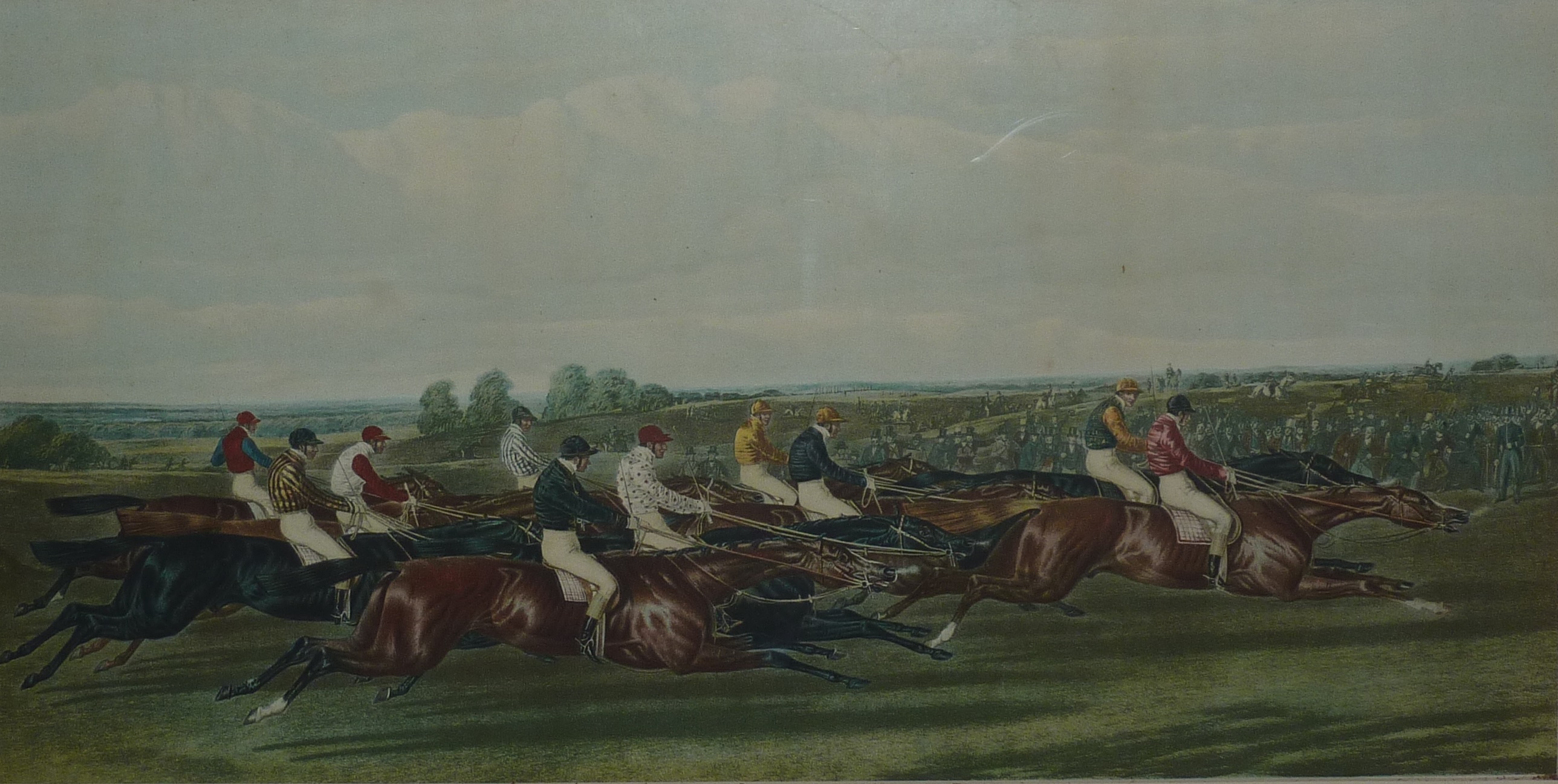
The 'Run In' is by John Frederick Herring Snr 1876 and was reproduced in a set of 4 prints by Martell Cognac Co to celebrate the St Leger. It is shown courtesy of Brenda Rooney from her print collection.
1944 The St Leger was won by Tehran, owned by HH Aga Khan III, trained by Frank Butters and ridden by Gordon Richards
1945 The St Leger was won by Chamossaire, owned by Stanhope Joel, trained by Dick Perryman and ridden by Tommy Lowrey
1946 The St Leger was won by Airborne, owned by John Ferguson, trained by Dick Perryman and ridden by Tommy Lowrey
1947 The St Leger was won by Sayajirao, owned by HH Maharaja of Baroda, trained by Sam Armstrong and ridden by Edgar Britt
1948 The St Leger was won by Black Tarquin, owned by William Woodward, trained by Cecil Boyd-Rochfort and ridden by Edgar Britt
1949 The St Leger was won by Ridge Wood, owned by Geoffrey Smith, trained by Noel Murless and ridden by Michael Beary
1950 The St Leger was won by Scratch, owned by Marcel Boussac, trained by Charles Semblat and ridden by Rae Johnstone
1951 The St Leger was won by Talma, owned by Marcel Boussac, trained by Charles Semblat and ridden by Rae Johnstone
1952 The St Leger was won by Tulyar, owned by HH Aga Khan III, trained by Marcus Marsh and ridden by Charlie Smirke
1953 The St Leger was won by Premonition, owned by Wilfrid Wyatt, trained by Cecil Boyd-Rochfort and ridden by Eph Smith
1954 The St Leger was won by Never Say Die, owned by Robert Sterling Clark, trained by Joseph Lawson and ridden by Charlie Smirke
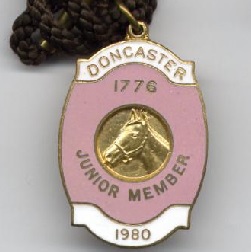
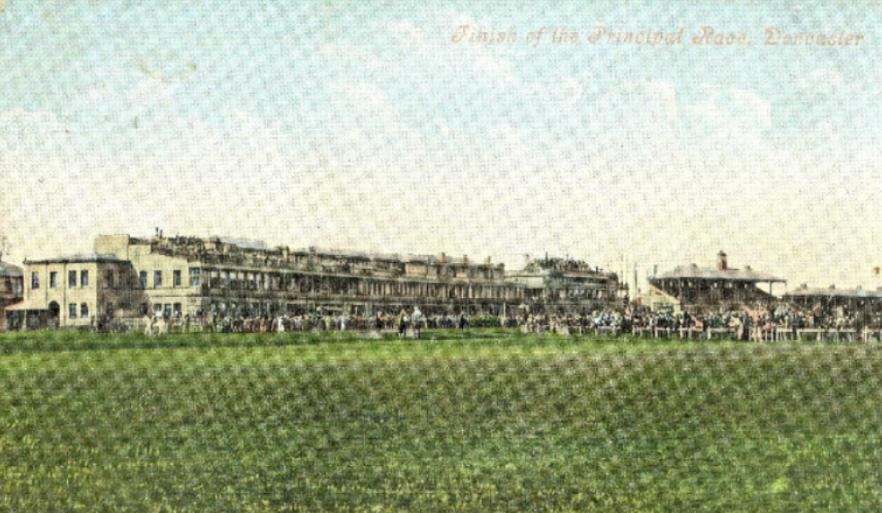
The Principal race at Doncaster from yesteryear, with thanks to Veronica Jeffery.
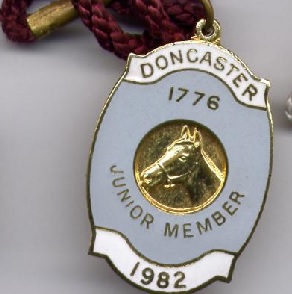
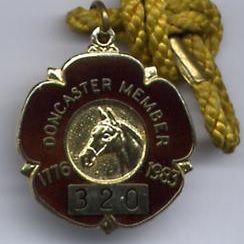
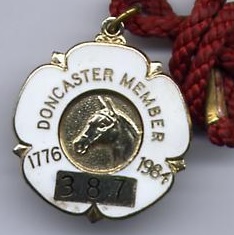
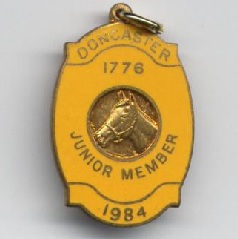
1955 The St Leger was won by Meld, owned by Lady Zia Wernher, trained by Cecil Boyd-Rochfort and ridden by Harry Carr
1956 The St Leger was won by Cambremer, owned by Ralph Strassburger, trained by Georges Bridgland and ridden by Freddie Palmer
1957 The St Leger was won by Ballymoss, owned by John McShain, trained by Vincent O’Brien and ridden by Tommy Burns
1958 The St Leger was won by Alcide, owned by Sir Humphrey de Trafford, trained by Cecil Boyd-Rochfort and ridden by Harry Carr
1959 The St Leger was won by Cantelo, owned by William Hill, trained by Charles Elsey and ridden by Edward Hide
1960 The St Leger was won by St Paddy, owned by Sir Victor Sassoon, trained by Noel Murless and ridden by Lester Piggott
1961 The St Leger was won by Aurelius, owned by Vera Lilley, trained by Noel Murless and ridden by Lester Piggott
1962 The St Leger was won by Hethersett, owned by Lionel Holliday, trained by Dick Hern and ridden by Harry Carr
1963 The St Leger was won by Ragusa, owned by Jim Mullion, trained by Paddy Prendergast and ridden by Garnie Bougoure
1964 The St Leger was won by Indiana, owned by Charles Engelhard, trained by Jack Watts and ridden by Jimmy Lindley
1965 The St Leger was won by Provoke, owned by Jakie Astor, trained by Dick Hern and ridden by Joe Mercer
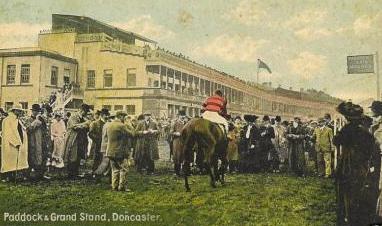
Doncaster Racecourse circa 1910
1966 The St Leger was won by Sodium, owned by Radha Sigtia, trained by George Todd and ridden by Frankie Durr
1967 The St Leger was won by Ribocco, owned by Charles Engelhard, trained by Fulke Johnson Houghton and ridden by Lester Piggott
1968 The St Leger was won by Ribero, owned by Charles Engelhard, trained by Fulke Johnson Houghton and ridden by Lester Piggott
1969 The St Leger was won by Intermezzo, owned by Gerry Oldham, trained by Harry Wragg and ridden by Ron Hutchinson
1970 The St Leger was won by Nijinsky, owned by Charles Engelhard, trained by Vincent O’Brien and ridden by Lester Piggott
1971 The St Leger was won by Athens Wood, owned by Eileen Rogerson, trained by Harry Thomson Jones and ridden by Lester Piggott
1972 The St Leger was won by Boucher, owned by Ogden Phipps, trained by Vincent O’Brien and ridden by Lester Piggott
1973 The St Leger was won by Peleid, owned by William Behrens, trained by Bill Elsey and ridden by Frankie Durr
1974 The St Leger was won by Bustino, owned by Lady Beaverbrook, trained by Dick Hern and ridden by Joe Mercer
1975 The St Leger was won by Bruni, owned by Charles St George, trained by Ryan Price and ridden by Tony Murray
1976 The St Leger was won by Crow, owned by Daniel Wildenstein, trained by Angel Penna and ridden by Yves Saint-Martin
1977 The St Leger was won by Dunfermline, owned by HM Queen Elizabeth II, trained by Dick Hern and ridden by Willie Carson
1978 The St Leger was won by Julio Mariner, owned by Marcos Lemos, trained by Clive Brittain and ridden by Edward Hide
1979 The St Leger was won by Son of Love, owned by Alexis Rolland, trained by Robert Collet and ridden by Alain Lequeux
1980 The St Leger was won by Light Cavalry, owned by Jim Joel, trained by Henry Cecil and ridden by Joe Mercer
1981 The St Leger was won by Cut Above, owned by Sir Jakie Astor, trained by Dick Hern and ridden by Joe Mercer
1982 The St Leger was won by Touching Wood, owned by Maktoum Al Maktoum, trained by Harry Thomson Jones and ridden by Paul Cook
1983 The St Leger was won by Sun Princess, owned by Sir Michael Sobell, trained by Dick Hern and ridden by Willie Carson
1984 The St Leger was won by Commanche Run, owned by Ivan Allan, trained by Luca Cumani and ridden by Lester Piggott
1985 The St Leger was won by Oh So Sharp, owned by Sheikh Mohammed, trained by Henry Cecil and ridden by Steve Cauthen
1986 The St Leger was won by Moon Madness, owned by Duchess of Norfolk, trained by John Dunlop and ridden by Pat Eddery
1987 The St Leger was won by Reference Point, owned by Louis Freedman, trained by Henry Cecil and ridden by Steve Cauthen
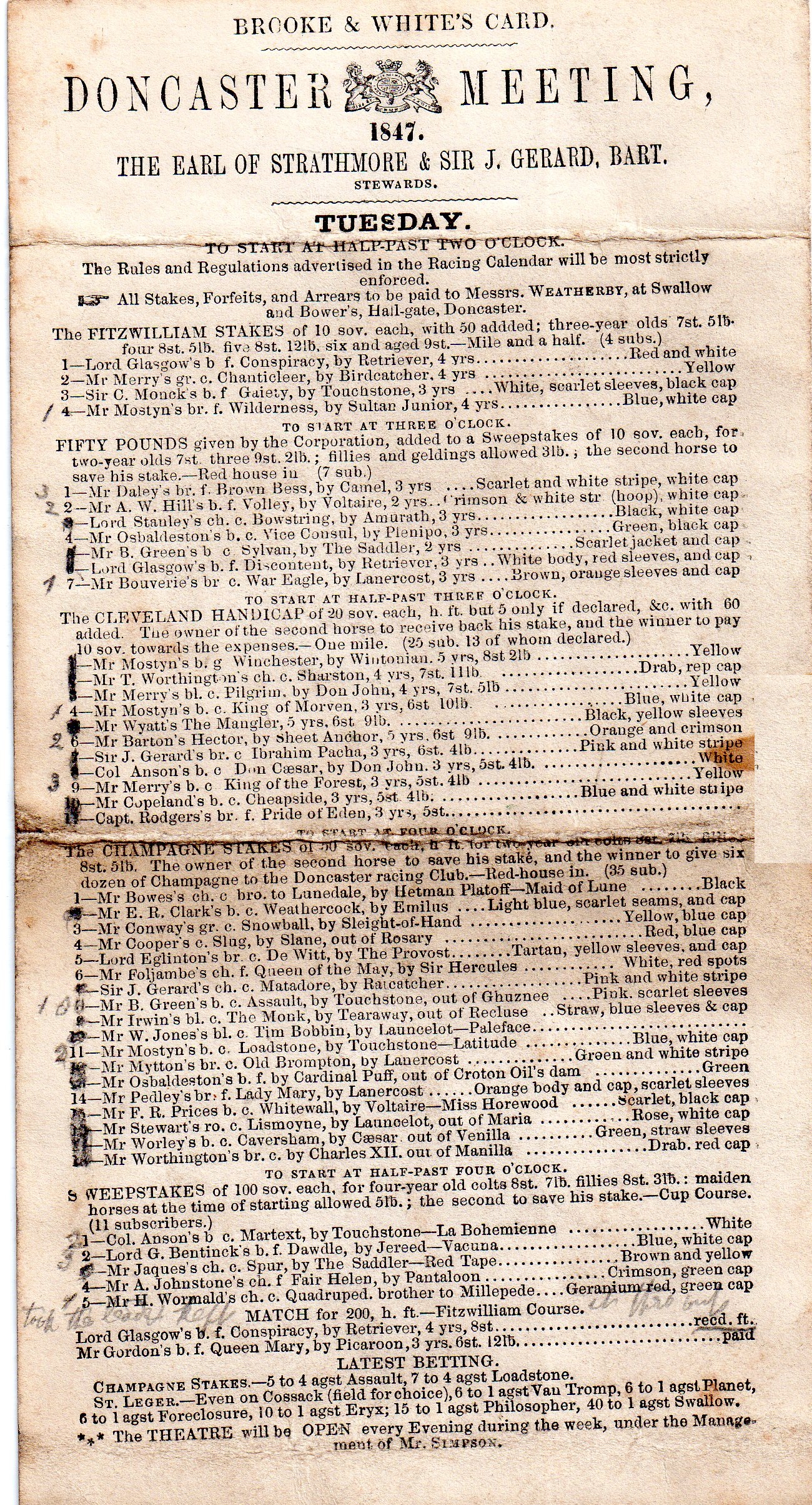
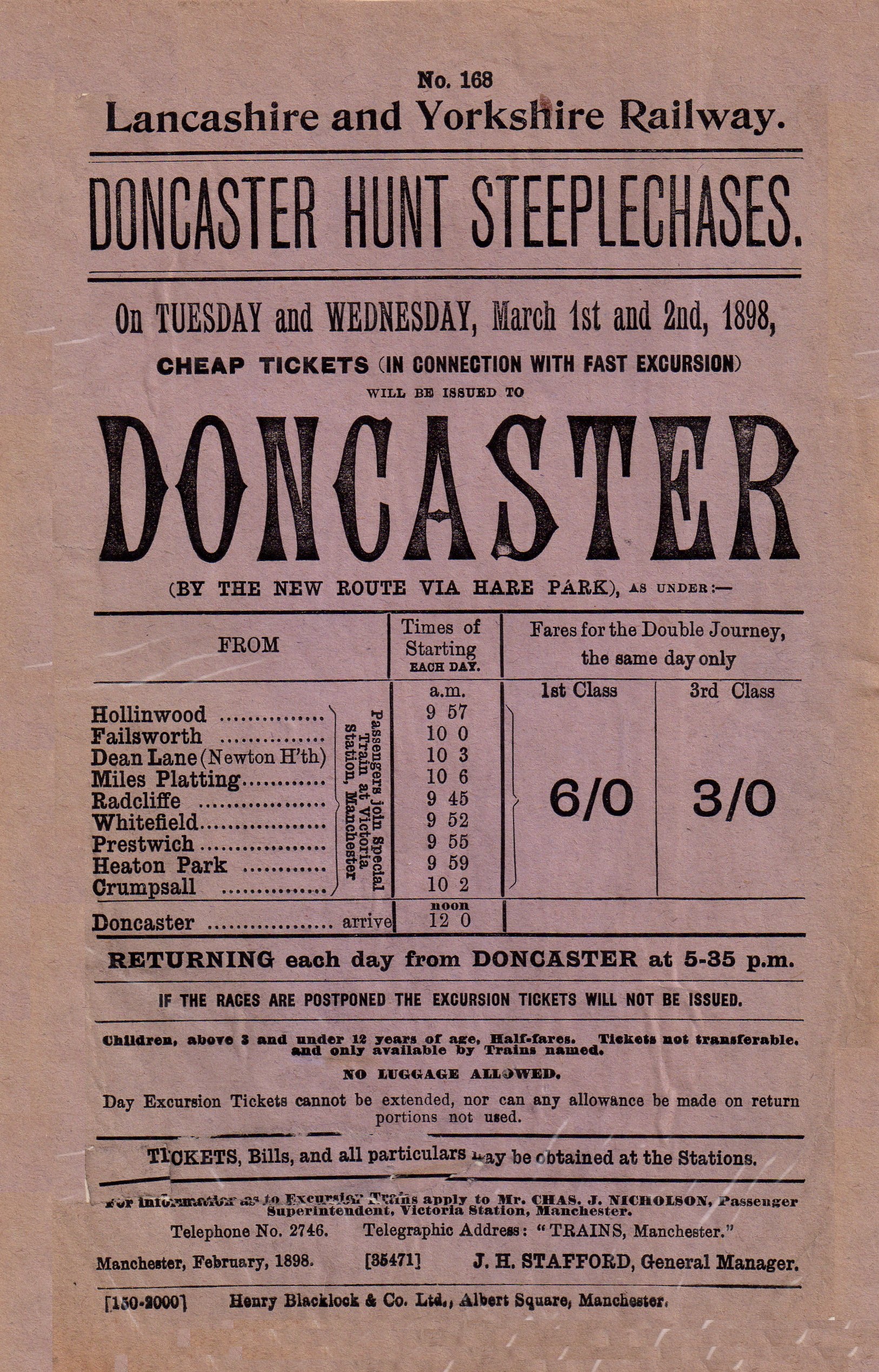
The rare handbill shown below is provided courtesy of the Robert Shaw collection.
1988 The St Leger was won by Minster Sun, owned by Lady Beaverbrook, trained by Neil Graham and ridden by Willie Carson
1989 The St Leger was won by Michelozzo, owned by Charles St George, trained by Henry Cecil and ridden by Steve Cauthen
1990 The St Leger was won by Snurge, owned by Martyn Arbib, trained by Paul Cole and ridden by Richard Quinn
1991 The St Leger was won by Toulon, owned by Khalid Abdullah, trained by Andre Fabre and ridden by Pat Eddery
1992 The St Leger was won by User Friendly, owned by Bill Gredley, trained by Clive Brittain and ridden by George Duffield
1993 The St Leger was won by Bob’s Return, owned by Jackie Smith, trained by Mark Tompkins and ridden by Philip Robinson
1994 The St Leger was won by Moonax, owned by Sheikh Mohammed, trained by Barry Hills and ridden by Pat Eddery
1995 The St Leger was won by Classic Cliche, owned by Godolphin, trained by Saeed bin Suroor and ridden by Frankie Dettori
1996 The St Leger was won by Shantou, owned by Sheikh Mohammed, trained by John Gosden and ridden by Frankie Dettori
1997 The St Leger was won by Silver Patriarch, owned by Peter Winfield, trained by John Dunlop and ridden by Pat Eddery
1998 The St Leger was won by Nedawi, owned by Godolphin, trained by Saeed bin Suroor and ridden by John Reid
1999 The St Leger was won by Mutafaweq, owned by Godolphin, trained by Saeed bin Suroor and ridden by Richard Hills
2000 The St Leger was won by Millenary, owned by Neil Jones, trained by John Dunlop and ridden by Richard Quinn
2001 The St Leger was won by Milan, owned by Michael Tabor and John Magnier, trained by Aidan O’Brien and ridden by Michael Kinane
2002 The St Leger was won by Bollin Eric, owned by Sir Neil Westbrook, trained by Tim Easterby and ridden by Kevin Darley
2003 The St Leger was won by Brian Boru, owned by Sue Magnier, trained by Aidan O’Brien and ridden by Jamie Spencer
2004 The St Leger was won by Rule of Law, owned by Godolphin, trained by Saeed bin Suroor and ridden by Kevin McEvoy
2005 The St Leger was won by Scorpion, owned by Michael Tabor and John Magnier, trained by Aidan O’Brien and ridden by Frankie Dettori
2006 The St Leger was won by Sixties Icon, owned by Susan Roy, trained by Jeremy Noseda and ridden by Frankie Dettori
2007 The St Leger was won by Lucano, owned by George Strawbridge, trained by John Gosden and ridden by Jimmy Fortune
2008 The St Leger was won by Conduit, owned by Ballymacoll Stud, trained by Sir Michael Stoute and ridden by Frankie Dettori
2009 The St Leger was won by Mastery, owned by Godolphin, trained by Saeed bin Suroor and ridden by Ted Durcan
2010 The St Leger was won by Arctic Cosmos, owned by Rachel Hood and Mr Geffen, trained by John Gosden and ridden by Willie Buick
2011 The St Leger was won by Masked Marvel, owned by Bjorn Nielsen, trained by John Gosden and ridden by William Buick
2012 The St Leger was won by Encke, owned by Godolphin Racing, trained by Mahmood Al Zarooni and ridden by Mickael Barzalona
2013 The St Leger was won by Leading Light, owned by Smith, Magnier and Tabor, trained by Aidan O’Brien and ridden by Joseph O’Brien
2014 The St Leger was won by Kingston Hill, owned by Paul Smith, trained by Roger Varian and ridden by Andrea Atzeni
2015 The St Leger was won by Simple Verse, owned by Sheikh Fahad Al Thani, trained by Ralph Beckett and ridden by Andrea Atzeni
2016 The St Leger was won by Harbour Law, owned by Jackie Cornwell, trained by Laura Mongan and ridden by George Baker
2017 The St Leger was won by Capri, owned by Smith, Tabor and Magnier, trained by Aidan O’Brien and ridden by Ryan Moore